
When you think of Southern California, you probably picture palm trees, endless sunshine, and mild winters. Snow and ice seem like problems reserved for the Midwest or the East Coast. It is easy to assume that plumbing disasters related to freezing temperatures are impossible in a region known for its Mediterranean climate, but pipes freeze even in mild-weather areas during sudden cold snaps.
However, this false sense of security often leads to costly repairs for homeowners in Los Angeles, San Diego, and surrounding areas. While deep freezes are rare, overnight temperatures can and do drop significantly during the winter months. When the mercury dips, the laws of physics apply just as much in SoCal as they do in Minnesota.
Understanding the specific vulnerabilities of your home is crucial. Unlike houses in colder climates, many Southern California homes were not constructed with heavy insulation against freezing temperatures in mind. This blog will explore why your pipes might be at risk, which areas of your home are most vulnerable, and the simple steps you can take to prevent a watery disaster.
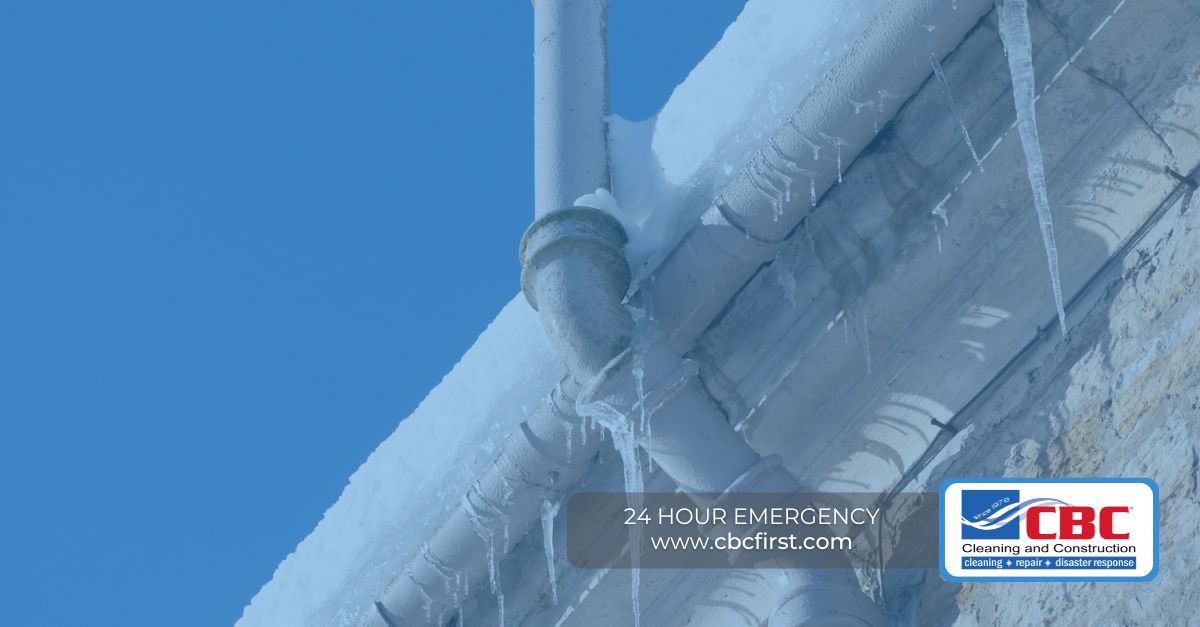
Why SoCal Homes Are Surprisingly Vulnerable
The primary reason pipes freeze in Southern California isn’t necessarily the severity of the cold, but rather the lack of preparation for it. Homes in colder regions are built with the expectation of freezing weather. Pipes are routed through heated interior spaces, and insulation is thick and comprehensive.
In contrast, residential construction in warmer climates often routes plumbing through unheated areas. Water lines might run through:
- Attics
- Crawl spaces
- Garages
- Exterior walls with minimal insulation
When a rare cold snap hits or temperatures plummet overnight, the water sitting in these uninsulated pipes can freeze. As water freezes, it expands. This expansion creates immense pressure inside the pipe—not necessarily right at the blockage, but between the freeze point and the faucet. Eventually, that pressure has to go somewhere, often resulting in a burst pipe and significant water damage.
Identifying the Danger Zones
To protect your property, you need to know where to look. The pipes most likely to freeze are those exposed to severe cold drafts or located in unheated interior spaces.
Garages and Attics
Water heaters and washing machines are frequently located in garages in Southern California. If your garage lacks insulation and the door isn’t sealed properly, the temperature inside can drop dangerously close to the outdoor temperature. Similarly, pipes running through attics are often above the building’s thermal envelope, meaning they don’t benefit from the heat inside your living space.
Crawl Spaces and Exterior Walls
Crawl spaces are notorious for trapping cold air. If your home has a raised foundation, the plumbing running underneath is essentially outside. Furthermore, plumbing located in exterior walls—especially those facing north or receiving little sunlight—can chill rapidly during a cold night.
Outdoor Plumbing
Don’t forget the exterior of your home. Garden hoses left connected, exposed swimming pool lines, and landscape sprinkler systems are usually the first to freeze. A frozen garden hose can back up pressure into the interior plumbing, causing a burst pipe inside the wall.
Practical Steps for Prevention
Fortunately, you don’t need a complete home renovation to protect your plumbing. A few proactive measures can save you thousands of dollars in restoration costs.
Insulate Exposed Pipes
This is the most effective defense. Visit your local hardware store and purchase polyethylene foam pipe insulation. It usually comes in tubes that are pre-slit for easy installation. Wrap any accessible pipes in your garage, attic, or crawl space. For tight bends or valves, you can use pipe wrap tape. This acts as a “winter coat” for your plumbing, keeping the water inside above freezing.
Seal the Drafts
Cold air moving rapidly over a pipe will freeze it much faster than stagnant cold air. Check your crawl space vents and garage doors. Seal up cracks and openings near water pipes using caulk or spray foam insulation. Keeping the cold wind out is half the battle.
Disconnect Outdoor Hoses
Make it a habit to disconnect your garden hoses as soon as the summer gardening season ends. Drain the water from them and store them away. If you have a separate shut-off valve for external faucets, turn it off and drain the remaining water from the spigot.
The “Drip” Method
During an exceptionally cold night, you can use an old trick: let a faucet drip. Open a faucet that is served by exposed pipes just enough to allow a slow drip of lukewarm water. Keeping the water moving, even slightly, relieves pressure build-up and makes it harder for the water to freeze solid.
When Disaster Strikes: Restoring Your Home
Despite your best efforts, extreme weather can sometimes win. If you wake up to the sound of rushing water or a damp spot spreading across your ceiling, immediate action is required. Shut off your main water valve immediately to stop the flow.
Once the immediate crisis is managed, the cleanup begins. Water damage is invasive; it seeps into drywall, insulation, and flooring, creating a breeding ground for mold if not dried professionally.
This is where professional restoration services become essential. At CBC, we work closely with our clients and their insurance company to restore the damaged structure to its pre-loss state. Navigating insurance claims for water damage can be complex, but you can have peace of mind knowing that a knowledgeable and qualified professional is on your side. We ensure that not only is the water removed, but the structure is properly dried and repaired to prevent long-term issues.
Frequently Asked Questions
At what temperature do pipes usually freeze?
Generally, pipes are at risk when the outside temperature drops to 20°F or below. However, in uninsulated spaces in Southern California, pipes can start to freeze even when temperatures are slightly higher, especially if there is a significant wind chill or if the cold spell lasts for several hours.
How do I know if a pipe is frozen?
The most obvious sign is a lack of running water. If you turn on a faucet and only a trickle comes out, or nothing at all, you likely have a blockage. You might also see frost on the pipe itself if it is visible (like under a sink).
Can I use a blow dryer to thaw a pipe?
Yes, if you can locate the frozen section, you can gently warm it with a hair dryer. Start from the faucet end and work your way back toward the frozen section. Never use an open flame, such as a blowtorch, as this presents a serious fire hazard and can damage the pipe.
Don’t Let the Weather Fool You
It is easy to get complacent about winter maintenance when you live in a warm climate. But a little preparation goes a long way. By taking the time to insulate vulnerable pipes and seal drafts, you can protect your home from one of the most common causes of winter property damage.
If you suspect your pipes have frozen, or if you are already dealing with the aftermath of a burst pipe, don’t wait. Professional help can mitigate the damage and get your home back to normal quickly.