
Winter brings cozy nights, hot cocoa, and, unfortunately, a common household nuisance: moisture buildup. As the temperature drops outside, we tend to seal our homes tight to keep the warmth in. While this is great for energy bills, it creates the perfect environment for condensation.
When warm, moist air inside hits cold surfaces like windows or walls, water droplets form. If left unchecked, this moisture buildup can lead to mold growth, peeling paint, and even structural damage. It can also make your home feel colder than it actually is, forcing your heating system to work harder.
The good news is that managing winter moisture doesn’t require a complete renovation of your home. By making a few strategic changes to your daily routine and home maintenance, you can keep your living space dry and comfortable all season long. Here are four effective ways to control humidity levels when the mercury drops.
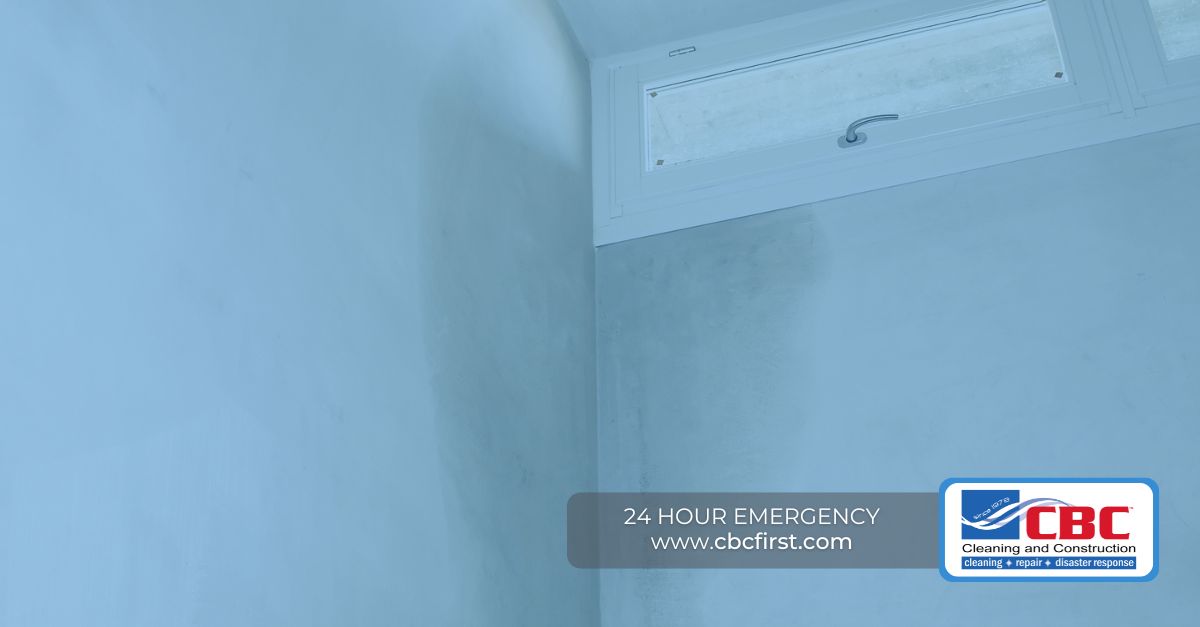
1. Use exhaust fans strategically
One of the biggest sources of indoor moisture is our daily activities. Showering, cooking, and even boiling the kettle all release significant amounts of steam into the air. Without proper ventilation, this steam has nowhere to go, causing moisture buildup that settles on walls, ceilings, and windows.
Your home’s exhaust fans are your first line of defense. Make sure to run the bathroom fan during every shower and leave it on for 15–20 minutes afterward to ensure all the humid air is vented outside. Similarly, always use the range hood when cooking on the stovetop, especially if you are boiling water.
If your home lacks exhaust fans in these key areas, consider cracking a window slightly while cooking or showering to allow fresh air to circulate and moisture to escape.
2. Maintain consistent heating
Temperature fluctuations can exacerbate condensation problems. When a room is allowed to get very cold, surfaces like walls and windows cool down significantly. As soon as the heating turns back on or warm air enters that room, condensation forms rapidly on those cold surfaces.
To prevent this, try to keep your home at a relatively consistent temperature. Instead of turning the heating off completely in unused rooms or at night, consider keeping it on a lower setting. This keeps the internal surfaces of your home warmer, reducing the likelihood of condensation forming when warm air hits them.
Proper insulation also plays a huge role here. Insulating your walls and loft helps keep surface temperatures higher, which naturally deters moisture from settling.
3. Consider a dehumidifier
Sometimes, ventilation and heating adjustments aren’t quite enough, especially in naturally damp areas like basements or older homes with poor airflow. In these cases, a dehumidifier can be a game-changer.
These devices actively pull moisture from the air, collecting it in a tank that you simply empty out. For winter use, desiccant dehumidifiers are often more effective than compressor models, as they work better in lower temperatures.
Place the dehumidifier in the rooms that suffer most from condensation or dampness. Not only will it help protect your home from mold, but dry air is also easier to heat than humid air, which could help lower your energy bills.
4. Fix leaks promptly
Winter weather can be tough on your home’s exterior. Snow, ice, and heavy rain can expose weaknesses in your roof, gutters, and pipes. A small leak might seem manageable, but water intrusion during winter can quickly escalate into major water damage and mold issues.
Inspect your home regularly for signs of leaks:
- Gutters: Ensure they are clear of leaves and debris so melting snow can drain away from your foundation.
- Pipes: Insulate pipes in unheated areas (like garages or attics) to prevent freezing and bursting.
- Roof: Check for missing shingles or damage after heavy storms.
If you do spot a leak, don’t wait for spring to fix it. Addressing water intrusion immediately stops moisture from seeping into your insulation and drywall, where it can cause hidden rot and mold growth.
When moisture becomes an emergency
Prevention is always the best strategy, but sometimes winter weather has other plans. Burst pipes or severe storm damage can lead to sudden, significant water intrusion. In these moments, speed is everything.
When significant water damage occurs, time is extremely crucial. The longer water sits, the more damage it causes to structure and health. This is why CBC maintains an on-call, certified, and experienced crew 24 hours a day, seven days a week. We understand the urgency of these situations, which is why we respond immediately and are on-site within 60 minutes of the initial call.
Don’t let winter moisture turn into a disaster. By managing your daily humidity levels and knowing who to call if things go wrong, you can ensure your home stays warm, dry, and safe all winter long.