
Your furniture is the centerpiece of your home. It’s where you relax after a long day, where guests gather during holidays, and where family movie nights happen. But unlike your clothes, which go into the wash after every wear, your sofa and chairs sit there day after day, absorbing dust, oils, and spills. Regular upholstery cleaning is essential to maintain hygiene, extend furniture life, and improve indoor air quality.
Many homeowners overlook upholstery cleaning until there is a visible stain or a noticeable odor. However, waiting for visible grime often means damage has already occurred deep within the fibers. Regular maintenance is the key to extending the life of your furniture and keeping your indoor air quality high.
So, what is the magic number? While the standard recommendation is every one to two years, your specific schedule depends on your lifestyle. This guide breaks down exactly when to call in the professionals and why it matters for the health of your home.
The General Rule of Thumb
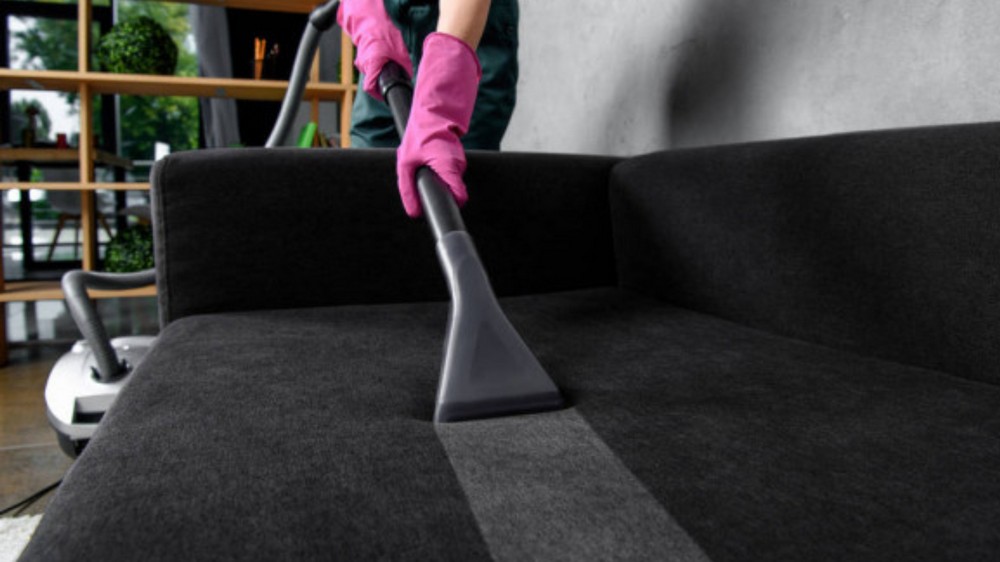
For the average household, professional upholstery cleaning should happen every 12 to 24 months.
Even if you are careful with your furniture, dust and pollen settle on soft surfaces daily. Body oils from your skin and hair transfer to headrests and armrests, creating a sticky residue that attracts even more dirt. Over time, this soil acts like microscopic sandpaper. Every time you sit down, that friction grinds the dirt into the fibers, causing them to wear out prematurely.
A professional cleaning every two years resets this clock, removing deep-seated soil and refreshing the fabric’s appearance.
When to Increase Cleaning Frequency
While 12 to 24 months is a good baseline, many homes require more frequent attention. If your household is active or prone to messes, you should consider shortening that window to every 6 to 12 months.
Here are the key factors that necessitate a more rigorous cleaning schedule.
Households with Children
If you have kids, you know that spills are inevitable. From juice boxes to sticky fingers and muddy shoes, children can be tough on furniture. Even without major accidents, the daily wear and tear from active children accelerates the accumulation of grime. Frequent professional cleaning helps sanitize surfaces where your kids spend time and removes spots before they become permanent stains.
Pet Owners
Our furry friends love the sofa just as much as we do. Unfortunately, they bring plenty of unwanted guests with them, including dander, fur, outdoor dirt, and occasionally fleas or ticks. Pets also have natural oils in their coats that can leave dark spots on upholstery over time. To control odors and keep fur accumulation manageable, pet owners should aim for a professional deep clean once or twice a year.
Allergies and Asthma
Upholstery acts as a giant air filter for your home. It traps airborne allergens like pollen, dust mites, and mold spores. This is actually beneficial—until the filter gets full. Once the fabric is saturated with allergens, it releases them back into the air every time you sit down. For families suffering from asthma or environmental allergies, professional extraction cleaning is essential to remove these triggers and improve indoor air quality.
Heavy Usage
Think about your favorite recliner or the main family room sectional. These pieces see daily action. In contrast, the silk chairs in your formal dining room might only be used at Thanksgiving. You don’t need to clean every piece of furniture on the same schedule. Prioritize the pieces that see the most traffic.
What Can Be Professionally Cleaned?
When people think of upholstery cleaning, they usually picture a living room sofa. However, professional services cover a wide range of fabric-covered items that accumulate dirt.
CBC offers comprehensive cleaning for a variety of furniture types, ensuring every soft surface in your life is hygienic and fresh. You should consider scheduling service for:
- Living Room Staples: Sofas, loveseats, sectionals, and recliners are the most obvious candidates.
- Dining and Office: Dining room chairs often suffer from food spills, while office furniture and work cubicles collect dust and coffee drips.
- Specialty Items: Stuffed chairs and ottomans are often overlooked but collect just as much dust as larger pieces.
- Outdoor Living: Patio cushions are exposed to the elements, leading to mold and mildew growth if not maintained.
- Mobile Interiors: Don’t forget your vehicle. Car and RV interiors take a beating from travel, food on the go, and outdoor debris.
The Hidden Risks of DIY Cleaning
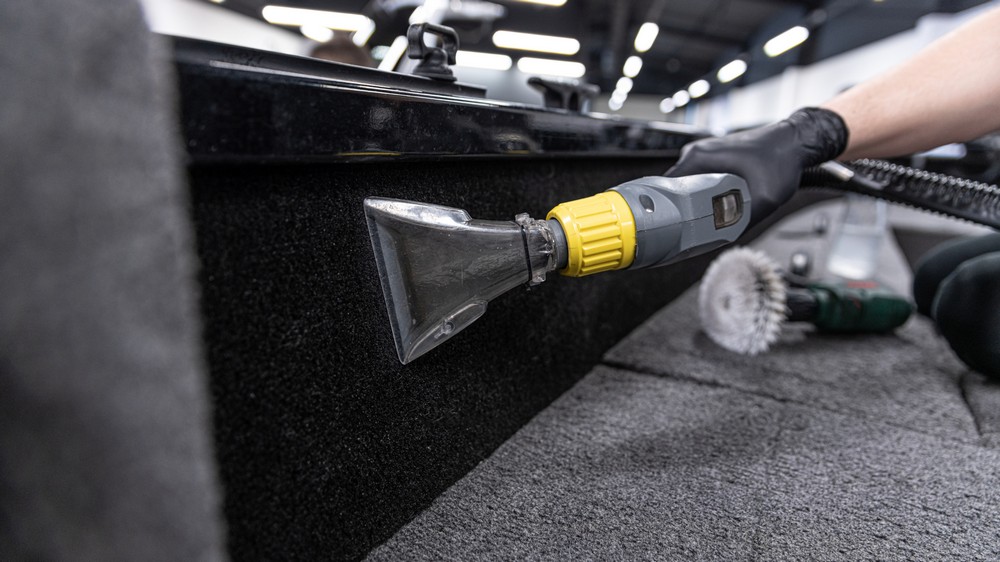
It is tempting to rent a machine or use a store-bought spray to tackle upholstery stains yourself. While these methods might work for a small spot, they often cause more harm than good when applied to an entire piece of furniture.
Over-wetting
The most common mistake in DIY cleaning is using too much water. If the padding underneath the fabric gets soaked, it can take days to dry. This prolonged moisture creates the perfect breeding ground for mold and mildew. Professionals use equipment with powerful extraction capabilities, ensuring the furniture dries quickly and completely.
Incorrect Chemical Use
Fabrics vary wildly in their composition. What works on a synthetic microfiber might ruin a natural cotton or linen blend. Using the wrong pH solution can cause browning, color bleeding, or a change in the fabric’s texture. Professional cleaners are trained to identify fiber types and select the appropriate cleaning agents for safety and effectiveness.
Residue Build-up
Many consumer-grade cleaners leave behind a soapy residue. This residue is sticky and actually attracts dirt faster than before, meaning your sofa will look dirty again in just a few weeks. Professional rinsing techniques ensure no attracting residue is left behind.
Frequently Asked Questions
Does professional cleaning remove all stains?
While professional cleaning is highly effective, not all stains are removable. The success depends on the type of stain, the type of fabric, and how long the stain has been there. However, professionals have access to specialized spot-removal products that are far more effective than general household cleaners.
Will cleaning shrink my furniture covers?
When performed correctly by a professional, upholstery cleaning should not cause shrinkage. Technicians are trained to control moisture levels and heat to ensure fabrics remain dimensionally stable.
Can I sit on the furniture immediately after cleaning?
Usually, no. Upholstery will remain damp for several hours after cleaning. Depending on the humidity and airflow in your home, drying times can range from 4 to 12 hours. It is best to arrange cleaning for a day when you can avoid using the furniture until the following morning.
Is professional cleaning safe for pets and children?
Reputable cleaning companies use solutions that are safe for household members. If you have specific concerns about chemical sensitivities, ask your provider about their cleaning agents beforehand.
Maximize the Lifespan of Your Furniture
Investing in high-quality furniture is a significant expense. The best way to protect that investment is through routine professional maintenance. By removing the abrasive soils that cut fibers and the allergens that impact your health, you ensure your home remains a welcoming, comfortable environment.
Whether it’s the family minivan, the office cubicle, or your favorite loveseat, keeping your upholstery clean is about more than just looks—it is about rigorous home hygiene.
If it has been more than a year since your last service, or if you are noticing the signs of daily wear, it is time to schedule a cleaning. Trust the experts at CBC to handle everything from your patio cushions to your RV interior, bringing fresh life to the fabrics you use every day.