
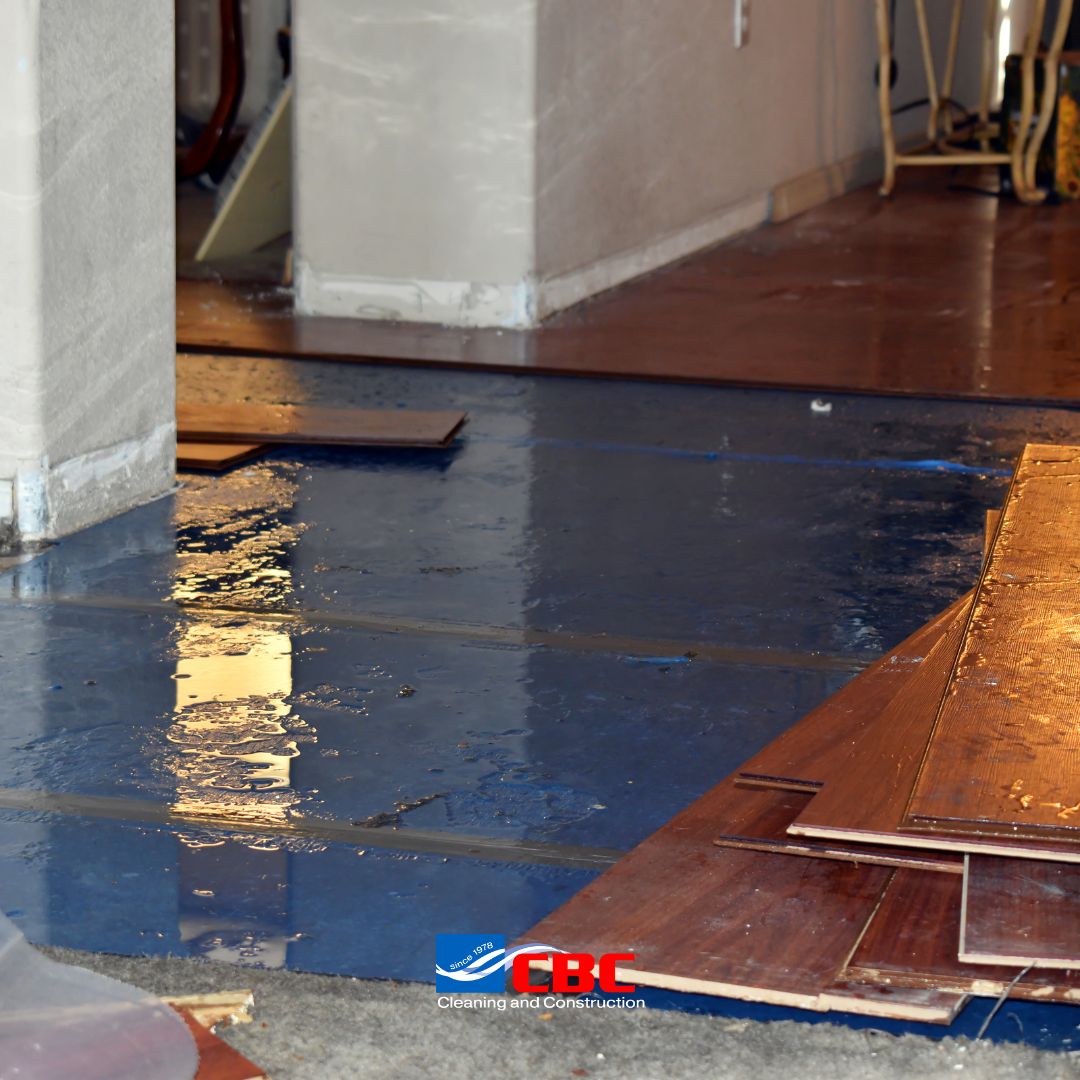
It happens when you least expect it. You wake up on a freezing January morning to the sound of rushing water, or you walk into your kitchen to find a pool spreading across the hardwood. Winter water damage—often caused by burst pipes due to freezing temperatures—is a homeowner’s nightmare. It creates a chaotic mix of panic and confusion.
The freezing temperatures outside make the situation even more complex than a standard summer leak. You cannot simply open the windows to dry things out, and the cold air puts additional stress on your home’s structure.
When water damage occurs, the clock starts ticking immediately. Mold can begin to grow within 24 to 48 hours, and water can wick into drywall and insulation in minutes. The actions you take in the first hour can save thousands of dollars in repairs and salvage your treasured belongings.
Here is a step-by-step guide on managing the crisis effectively until professional help arrives.

1. Ensure Safety Before Anything Else
Your instinct might be to rush into the wet area to start saving your things. Pause. A flooded room involves significant safety hazards, especially involving electricity. Water conducts electricity, and if the water level has reached outlets or if there are submerged appliances, the risk of electrocution is real.
Turn off the power
If you can safely access your circuit breaker panel without walking through water, turn off the power to the affected rooms or the entire house. If the panel is in the flooded area, do not enter. Call an electrician or your utility company immediately.
Watch your step
Floors become incredibly slippery when wet. Slips and falls are a leading cause of injury during water damage events. Move slowly and wear sturdy shoes with good traction. Avoid walking under sagging ceilings, as waterlogged drywall can collapse without warning.
2. Stop the Water Source
Once you have established that the area is safe to enter, your primary goal is to stop the flow of water. If the damage is coming from a burst pipe, a malfunctioning appliance, or a plumbing fixture, you must shut off the main water supply.
Locating the main valve
In most homes, the main shut-off valve is located in the basement, a crawl space, or near the water heater. It is often a wheel or a lever. Turn it clockwise (for wheels) or perpendicular to the pipe (for levers) to cut the supply. If you cannot find it or if the handle is stuck, contact a professional immediately.
If the water is entering from the outside due to an ice dam or storm damage, you may not be able to stop it entirely. in this case, focus on containment and move to the next steps.
3. Call the Professionals Immediately
Water damage is rarely a DIY project, especially in winter. The water you see is often only a fraction of the issue. Moisture hides behind walls, under floorboards, and in insulation. Without industrial-grade drying equipment, trapped moisture will freeze or lead to mold growth.
Time is extremely crucial. You need a team that understands the urgency of the situation. This is why CBC maintains an on-call, certified, and experienced crew 24 hours a day, seven days a week.
We do not believe in waiting windows or automated answering services during a crisis. We respond immediately and guarantee to be “on-site” within 60 minutes of your initial call. Our team arrives equipped to extract water, dry the structure, and prevent secondary damage.
4. Document the Scene for Insurance
While you wait for the CBC crew to arrive (remember, we are only 60 minutes away), use the time to document the damage. Insurance claims rely heavily on proof of the incident and the extent of the loss.
Take photos and videos
Capture wide shots of the room to show the water level and close-ups of specific damage to walls, floors, and furniture. If the source of the leak is visible, photograph that as well.
List damaged items
Begin making a list of items that have been affected. Do not throw anything away yet, even if it looks ruined. Your insurance adjuster may need to see the damaged items to approve the replacement cost.
5. Rescue Your Valuables
Once the scene is documented, start moving items out of harm’s way. Prioritize items that are most sensitive to water or have high sentimental or monetary value.
Clear the floor
Remove loose items like rugs, books, shoes, and toys. Wet fabrics can bleed dye onto carpets or hardwood, causing permanent staining.
Protect furniture
If furniture is too heavy to move, place aluminum foil or wood blocks under the legs. This prevents water from wicking up into the furniture and prevents wood stains from the furniture legs from transferring to the carpet.
Save the electronics
Computers, televisions, and other electronics are highly sensitive to humidity. Move them to a dry, warm room as soon as possible.
6. Begin Preliminary Water Removal
If it is safe to do so, you can start removing excess water while waiting for the CBC team. This helps reduce the drying time later.
Use the right tools
If you have a wet/dry vacuum, you can use it to suck up standing water. Do not use a standard household vacuum, as this can cause electrical shock and ruin the machine.
Mops and towels
Use mops and old towels to soak up puddles on hard surface flooring. For wood floors, getting the water off the surface quickly is vital to prevent warping and cupping.
Remove wet upholstery
Remove cushions from wet sofas or chairs and prop them up in a dry area. This allows air to circulate around them and aids in drying.
7. Manage the Environment
Winter brings a unique challenge: temperature control. You want to encourage drying, but you also need to keep the home warm enough to prevent other pipes from freezing.
Keep the heat on
Maintain your thermostat at a reasonable temperature (around 70 degrees Fahrenheit). This helps the air hold moisture, which dehumidifiers can then remove. Do not turn the heat up excessively high (above 80 degrees), as warm, wet environments are perfect incubators for mold.
Ventilation
In summer, you might open windows. In winter, this is usually counterproductive because the outside air is cold. Keep windows closed unless instructed otherwise by your restoration professional. The CBC team will utilize specialized dehumidifiers and air movers that are designed to work efficiently in your specific indoor climate.
Why Winter Water Damage is Different
Dealing with water damage in the winter requires a specific approach. When the temperature drops, the drying process naturally slows down. Cold air holds less moisture than warm air, which can make it difficult to dry out a structure using conventional methods.
Furthermore, if the water damage was caused by an ice dam or a frozen pipe, the structure of your home may already be compromised. Wet materials that are then subjected to freezing temperatures can expand and crack, leading to severe structural issues.
This highlights the importance of having a certified crew on-site quickly. We understand the physics of psychrometry (the science of drying) and how winter weather impacts that process. We adjust our equipment and strategy to ensure your home is dried thoroughly, preventing long-term issues like rot and microbial growth.
Restoring Your Home and Peace of Mind
Water damage is stressful, but you do not have to handle it alone. The steps you take immediately after discovering the leak set the stage for a successful recovery. By prioritizing safety, stopping the source, and calling for help, you are taking control of the situation.
At CBC, we know that when disaster strikes, you need more than just a service; you need a partner who moves as fast as the water does. Our commitment to being on-site within 60 minutes ensures that your winter water emergency is contained quickly, limiting damage and getting your life back to normal faster.
If you are hearing running water or seeing a puddle form, do not hesitate. Follow these steps and call us immediately. We are ready to help, 24/7.