
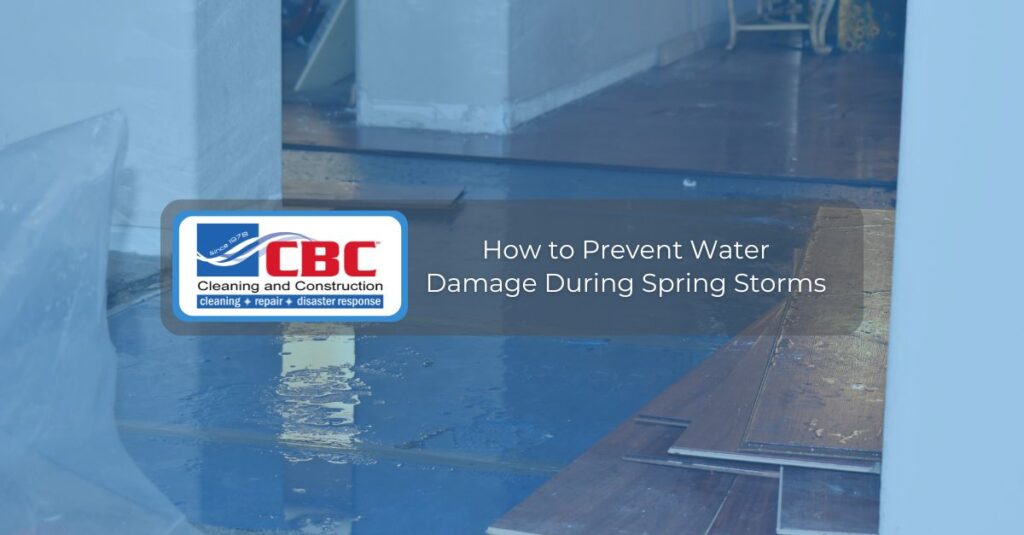
Spring in Southern California brings more than just blooming wildflowers and warmer weather. For homeowners across the Santa Clarita Valley, Los Angeles County, and Ventura County, it also signals the start of storm season—and with it, the very real risk of water damage.
The numbers are sobering. Water damage is one of the most common and costly home insurance claims in the United States, with the average claim exceeding $11,000. And while you can’t control the weather, you can absolutely control how well your home is prepared for it.
From gutters and grading to sump pumps and sealed windows, these steps can mean the difference between a minor inconvenience and a major repair bill.
Start Outside: Your Home’s First Line of Defense
Most water damage doesn’t happen because a storm was unusually severe. It happens because small maintenance issues went unaddressed long enough for a storm to expose them.
Clean and Inspect Your Gutters
Clogged gutters are one of the leading causes of water damage during storm season. When debris blocks the flow of water, it overflows and pools along your foundation—eventually making its way into your basement, crawlspace, or interior walls.
Before spring storms hit, clear your gutters of leaves, twigs, and sediment. While you’re up there, check for:
- Sagging sections that pool standing water
- Loose or missing fasteners
- Cracks or holes in the gutter channel
- Downspouts that deposit water too close to the foundation
Downspout extensions are an inexpensive fix that can redirect water at least 6 feet away from your home. It’s a small investment with a big payoff.
Check Your Roof for Weak Spots
A damaged roof won’t announce itself until a storm forces the issue. Inspect your roof for cracked, curling, or missing shingles. Pay close attention to flashing around chimneys, skylights, and vents—these are common entry points for water.
If you’re not comfortable climbing onto your roof, binoculars from ground level can reveal a surprising amount. For anything that looks questionable, a licensed contractor can perform a more thorough inspection before storm season kicks in.
Evaluate Your Yard’s Drainage and Grading
The slope of your yard plays a bigger role in water management than most homeowners realize. Ideally, the ground should slope away from your home at a rate of about 6 inches over the first 10 feet. If it slopes toward the house, rainwater naturally flows toward your foundation.
Re-grading a yard isn’t always a major project, but it does require some expertise to get right. In severe cases, French drains or dry creek beds can be installed to redirect stormwater away from vulnerable areas.
Protect Your Foundation and Basement
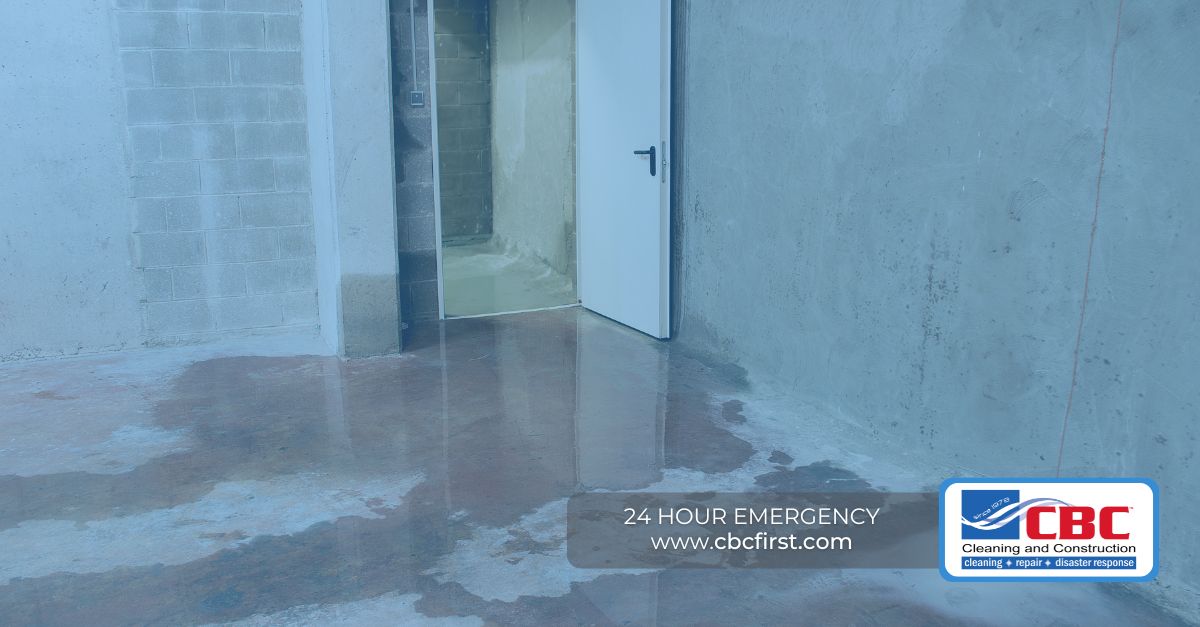
Water and foundations are a damaging combination. Once moisture begins to penetrate a foundation, the resulting damage—cracks, shifting, mold—can escalate quickly and become expensive to fix.
Seal Foundation Cracks
Even small cracks in your foundation provide a pathway for water to enter. Walk the perimeter of your home and look for visible cracks or gaps. Hydraulic cement and waterproof sealants can handle many minor issues, but larger cracks may indicate structural concerns that warrant a professional evaluation.
Consider a Sump Pump
If your home has a basement or sits in a low-lying area, a sump pump is one of the most effective tools for managing groundwater during heavy rain. It automatically pumps accumulated water out and away from your home before it can cause damage.
For added peace of mind, invest in a battery backup system. Power outages and heavy storms often go hand in hand, and a sump pump with no power isn’t doing anyone any favors.
Secure Windows, Doors, and Entry Points
Water is remarkably resourceful. It will find gaps around window frames, worn door sweeps, and aging weatherstripping—and work its way in over time.
Walk through your home and inspect all exterior windows and doors. Look for:
- Cracked or missing caulk around window frames
- Worn weatherstripping on exterior doors
- Gaps between the door threshold and the floor
Replacing caulk and weatherstripping is a straightforward DIY task that takes an afternoon and costs very little. It also pays dividends in energy efficiency, not just waterproofing.
Inside the Home: Prevention Beyond the Perimeter
Exterior preparation matters, but a few interior checks are just as important.
Know Where Your Water Shutoff Is
If water does enter your home, the ability to shut off your main water supply quickly can limit the damage significantly. Make sure every adult in your household knows where the shutoff valve is located and how to use it.
Inspect Your Water Heater and Plumbing
Aging water heaters and deteriorating pipes are more vulnerable during periods of heavy rain and temperature fluctuations. Check for rust, corrosion, or moisture around your water heater and exposed pipes—particularly in the garage, under sinks, and in crawlspaces.
Keep an Eye on Your Attic
Attics are often overlooked until a leak makes itself known on the ceiling below. Check your attic for signs of moisture, staining on rafters, or deteriorating insulation. Proper attic ventilation reduces the risk of condensation buildup, which can mimic the damage of a slow roof leak over time.
What to Do If Water Damage Occurs
Even the most prepared homeowner can face water damage after a severe storm. If it happens, act quickly.
- Document everything with photos and video before beginning any cleanup.
- Contact your insurance provider as soon as possible to start the claims process.
- Remove standing water quickly to prevent mold growth, which can begin within 24 to 48 hours.
- Ventilate the affected area with fans and dehumidifiers to accelerate drying.
- Call a licensed contractor to assess structural damage and begin repairs.
The speed of your response directly impacts the severity of the damage. Mold remediation, structural repairs, and drywall replacement all become significantly more complicated—and more expensive—the longer water sits.

Frequently Asked Questions
How often should I clean my gutters to prevent water damage?
Most experts recommend cleaning gutters at least twice a year—once in the fall after leaves drop, and again in early spring before storm season. If you have trees close to your roofline, quarterly cleaning may be more appropriate.
What are the early signs of water damage in a home?
Common early warning signs include water stains on ceilings or walls, a musty odor (particularly in basements), peeling paint or wallpaper, warping wood floors, and visible mold growth. Catching these early significantly reduces the cost and complexity of repairs.
Does homeowner’s insurance cover storm-related water damage?
Most standard homeowner’s insurance policies cover sudden and accidental water damage caused by storms—such as a roof leak from wind damage. However, flooding from rising groundwater typically requires a separate flood insurance policy. Review your policy carefully and speak with your insurer if you have questions.
How do I know if my foundation has water damage?
Signs of foundation water damage include visible cracks in the foundation walls, efflorescence (white mineral deposits), bowing or bulging walls, a persistently damp basement, and doors or windows that stick. A licensed contractor can assess whether these signs indicate surface issues or deeper structural concerns.
When should I call a professional instead of DIY-ing storm prep?
Routine tasks like cleaning gutters, caulking windows, and replacing weatherstripping are manageable DIY projects. But anything involving roof repairs, foundation issues, drainage re-grading, or structural damage warrants a licensed contractor. Mistakes in these areas can compound the problem—and the cost.
Ready to Protect Your Home Before the Next Storm?
The best time to prepare for spring storms is before they arrive. A few hours of proactive maintenance can protect your home from thousands of dollars in water damage repairs—and spare you the stress of dealing with the aftermath.
If you’ve discovered existing water damage or want a professional assessment of your home’s vulnerabilities, CBC Cleaning and Construction is here to help. Serving the Santa Clarita Valley, Los Angeles County, Ventura County, and surrounding areas since 1978, our licensed team (Lic #1080028) specializes in residential and commercial remodeling and disaster restoration. We’ll help you make your home both beautiful and built to last.
Contact CBC Cleaning and Construction today to schedule an inspection or discuss your restoration needs.