
Water doesn’t wait. Once flooding hits your home, every hour counts. The damage spreads fast—soaking into walls, warping floorboards, and saturating insulation before you’ve even had time to process what happened. And within 24 to 48 hours, mold can begin to take hold, turning a water damage problem into a far more complex and costly restoration project.
Whether your flooding came from a burst pipe, a backed-up sewer line, or heavy rainfall, the steps you take in the first few hours can make the difference between a manageable repair and a full-scale reconstruction. This guide walks you through exactly what to do—and what to avoid—so you can protect your home, your health, and your finances when it matters most.
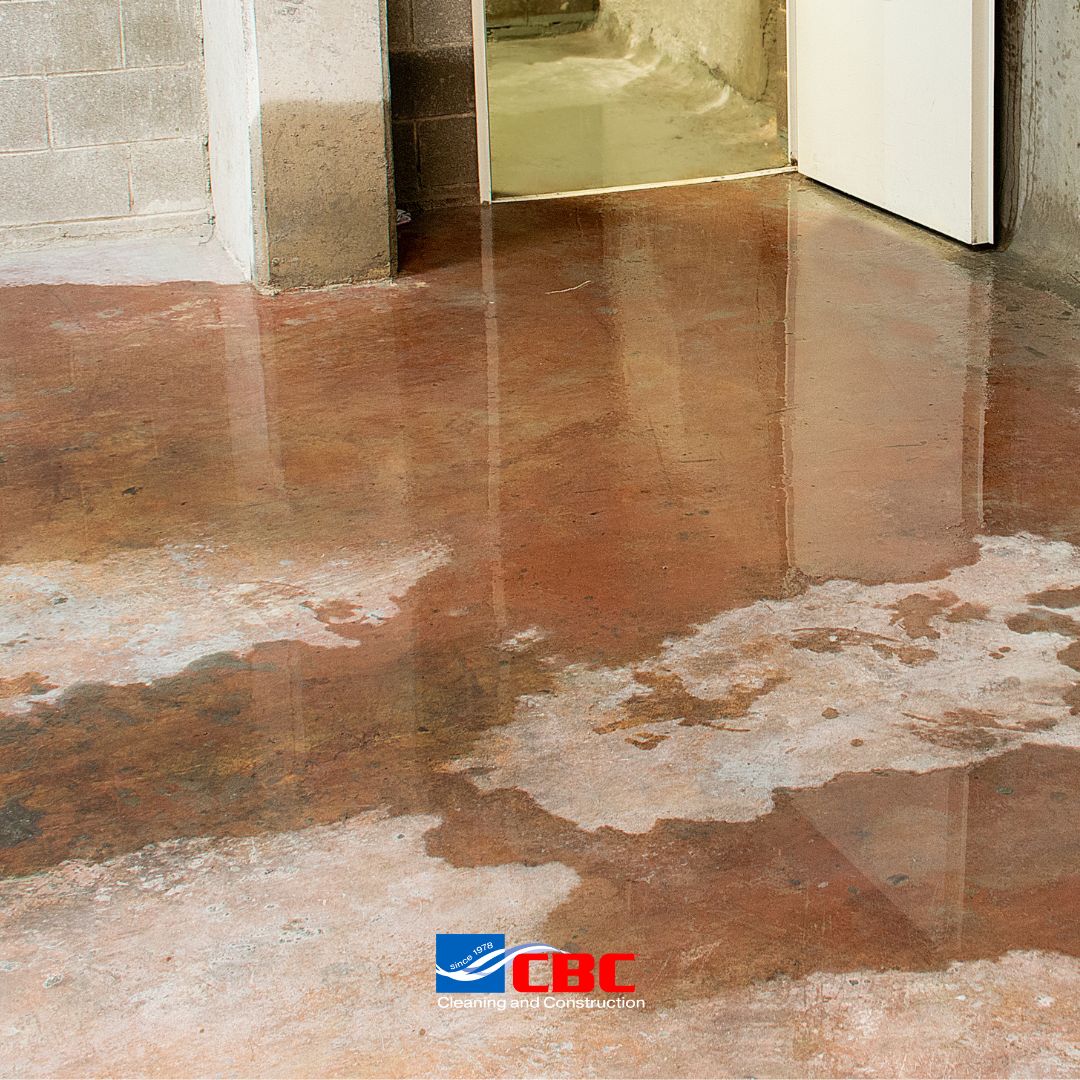
Step 1: Prioritize Safety Before Anything Else
Before you touch anything, stop and assess the situation. Floodwater and electricity are a deadly combination. If there’s any chance water has reached your electrical outlets, panel, or appliances, do not enter the flooded area until you’ve shut off the power at the main breaker—or had a licensed electrician confirm it’s safe to do so.
Gas leaks are another serious risk after flooding. If you smell gas or suspect a leak, leave the property immediately, avoid using any open flames or light switches, and call your gas company from outside.
Structural damage is also worth checking before you step inside. Look for visible cracks, sagging ceilings, or doors that won’t open or close properly. These can be signs that the building’s integrity has been compromised.
Step 2: Identify and Stop the Water Source
If the flooding is coming from an internal source—like a burst pipe or a faulty appliance—locate your main water shutoff valve and turn it off immediately. Stopping the source prevents further water from entering and gives you a fighting chance at limiting the damage.
Flooding from external sources like heavy rain or stormwater is harder to control, but if water is still actively entering the home, temporary barriers like sandbags or plastic sheeting can help redirect flow while you wait for conditions to improve.
Step 3: Document Everything for Your Insurance Claim
Once it’s safe to move around, pull out your phone and start documenting. Photograph and video every affected room, every damaged item, and every visible sign of water intrusion—from ceiling stains to soaked carpets to waterlogged furniture. Capture images from multiple angles and make sure your footage is date-stamped.
Do not throw anything away yet. Even items that seem beyond saving should be kept until your insurance adjuster has had a chance to assess them. Contact your homeowner’s insurance provider as soon as possible to report the claim and ask about their specific documentation requirements.
Step 4: Remove Standing Water Quickly
Time is critical here. Standing water needs to be extracted as fast as possible to slow the spread of damage and reduce the risk of mold growth. For large volumes of water, a wet/dry vacuum or a submersible pump will get the job done far more efficiently than mops and towels alone.
If you don’t have access to equipment, a professional water damage restoration company can deploy industrial-grade extraction tools quickly. The faster the water is out, the better your chances of saving flooring, drywall, and structural elements beneath the surface.
Step 5: Dry Out the Affected Areas Thoroughly
Removing standing water is just the first part. Moisture trapped in walls, subfloors, and insulation is what causes the most lasting damage—and it’s invisible to the naked eye.
Open windows and doors to improve ventilation if outside conditions allow. Run fans continuously to keep air circulating. Dehumidifiers are particularly effective at drawing moisture out of the air and building materials. Pay close attention to:
- Walls and baseboards: Water wicks upward through drywall and can cause significant hidden damage
- Flooring: Hardwood floors will warp and buckle; carpets absorb and retain water deeply
- Cabinets and furniture: Solid wood absorbs moisture and can harbor mold if not dried properly
- Insulation: Often needs to be removed and replaced entirely after significant water exposure
Professional restoration contractors use moisture meters and thermal imaging to detect hidden pockets of dampness that you simply can’t see or feel. If you suspect the damage goes deeper than the surface, getting a professional assessment early can prevent a much bigger problem down the track.
Step 6: Watch for Mold—And Act Fast
Mold can begin developing within 24 to 48 hours of water exposure, especially in warm, poorly ventilated spaces. It often starts out of sight—inside wall cavities, under flooring, or behind cabinets—before becoming a visible problem.
Early warning signs include a musty odor, discoloration on walls or ceilings, and allergy-like symptoms in household members. If you spot or suspect mold growth, avoid disturbing it. Mold spores spread easily when disturbed and can contaminate other areas of your home.
Small surface mold patches (less than 10 square feet) can sometimes be cleaned with appropriate products, but larger infestations—or any mold growth inside walls or structural materials—require professional remediation. The health risks of improper mold removal are real, and cutting corners here tends to make the problem worse.
Step 7: Assess the Damage and Plan Your Repairs
Once the immediate crisis is under control and the property is dry, it’s time for a thorough damage assessment. Some repairs—like replacing drywall, repairing flooring, or restoring electrical systems—require a licensed general contractor with flood restoration experience.
An experienced contractor will not only repair the visible damage but also identify any structural issues, compromised insulation, or code compliance concerns that need to be addressed before rebuilding begins. This stage is also the right time to consider improvements that may reduce your vulnerability to future flooding, such as better drainage, waterproofing, or elevated electrical systems.
Frequently Asked Questions
How long does it take for water damage to cause mold?
Mold can begin growing within 24 to 48 hours of water exposure under warm, humid conditions. This is why fast action is so critical after any flooding event.
Can I stay in my home after flooding?
It depends on the severity of the damage. If structural integrity, electrical systems, or air quality has been compromised, it may not be safe to remain in the property until repairs are completed. A licensed contractor can assess whether the home is habitable.
Will my homeowner’s insurance cover flood damage?
Standard homeowner’s insurance policies typically do not cover flooding from external water sources like storms or overflowing waterways. That type of coverage usually requires a separate flood insurance policy. However, flooding caused by internal sources—such as burst pipes—is often covered. Contact your insurer directly to understand what your policy includes.
How do I know if my floors need to be replaced after flooding?
Hardwood floors that have buckled, cupped, or warped significantly will likely need replacement. Carpets that were submerged in contaminated water also typically need to go. A contractor can assess whether drying and refinishing is a viable option or whether full replacement is the safer and more cost-effective path.
When should I call a professional water damage company?
If the flooding covers a large area, involves sewage or contaminated water, or you have any reason to suspect mold or structural damage, call a professional immediately. Attempting to manage major water damage without the right equipment and expertise can lead to incomplete drying, hidden mold growth, and more extensive repairs down the line.
Start the Recovery Process the Right Way
Flooding is stressful. But how quickly and carefully you respond in the first hours and days has a direct impact on how far the damage spreads—and how much it ultimately costs to fix.
If you’re dealing with water damage in the Santa Clarita Valley, Los Angeles County, Ventura County, or surrounding areas, CBC Cleaning and Construction is here to help. In business since 1978 and fully licensed (Lic #1080028), CBC is a full-service general contractor specializing in residential and commercial restoration and remodeling. The team brings decades of hands-on experience to every project, from emergency water damage response to complete home reconstruction.
Reach out to CBC Cleaning and Construction today to get a professional assessment and start your recovery with confidence.