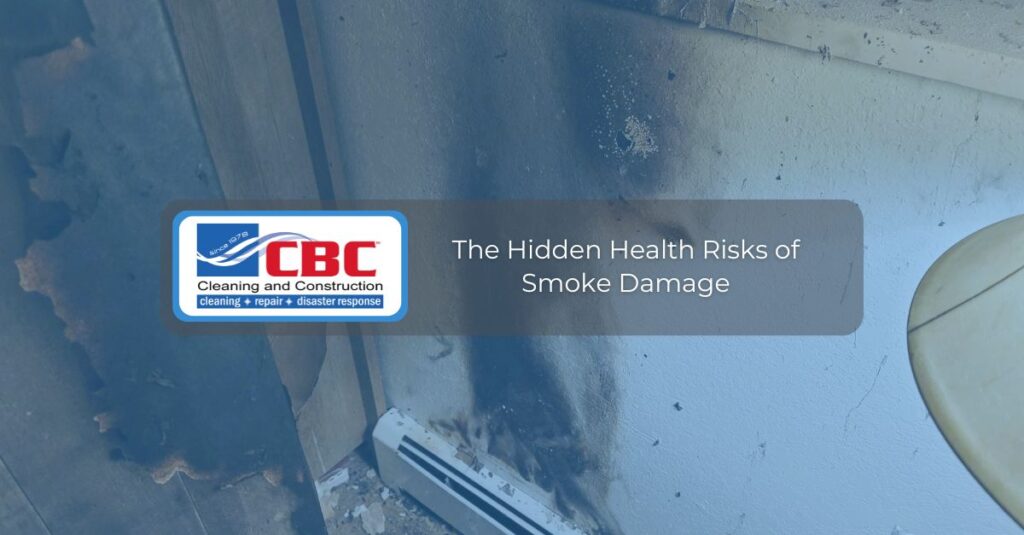
Smoke and soot particles are incredibly invasive. During a fire, toxic chemicals from burning plastics, synthetic fabrics, and building materials are released into the air. These microscopic particles settle onto every exposed surface and easily infiltrate your home’s heating and cooling systems. Even a small kitchen fire can send harmful residues drifting throughout your entire house, embedding themselves into carpets, upholstery, and drywall.
Breathing in these chemical remnants can cause serious complications long after the initial event. Microscopic soot particles can travel deep into your lungs, triggering asthma attacks, chronic bronchitis, and severe allergic reactions. Prolonged exposure to smoke odor and residue can also cause skin rashes and eye irritation, making your home an unsafe environment for your family and pets. Understanding these risks is the first step toward reclaiming your living space.
What Can I Do After a Fire?
When you return to your property, your first instinct might be to grab a sponge and start scrubbing the walls. Unfortunately, cleaning up smoke damage without the right tools often makes the situation worse. Standard household cleaners can smear soot, pushing the acidic residue deeper into porous surfaces and causing permanent stains.
Instead of attempting a deep clean, focus on immediate safety and mitigation. First, ensure you have received official clearance from the fire department that the building is structurally safe to enter. Wear protective clothing, including long sleeves, gloves, and an N95 respirator mask, to prevent inhaling airborne soot or transferring toxic chemicals to your skin.
If the weather permits, open all your windows and doors to encourage cross-ventilation. This will help flush out the most intense airborne odors and reduce the concentration of toxins in the air. You should also replace your HVAC filters immediately. Running a central air system with a contaminated filter will simply recirculate hazardous smoke particles back into your breathing air. Finally, throw away any exposed food, cosmetics, or medications, as the heat and toxic fumes have likely compromised them.
Who to Call for Help
Navigating the recovery process requires a network of support. Your very first call should be to your insurance agent. Documenting the damage before any cleanup begins is essential for filing a successful claim. Take comprehensive photos and videos of every affected room, noting both structural damage and ruined personal belongings. Your insurance company will guide you on your coverage limits and the next steps for filing a claim.
If you rent the property, contact your landlord or property management company immediately so they can assess the structural integrity of the building. You may also need to reach out to local utility companies if the fire department shut off your gas, electricity, or water supply during the emergency.
Most importantly, you need to contact a certified fire and smoke restoration company. While a general contractor can fix a broken window or patch drywall, they do not have the specialized equipment required to neutralize toxic soot or extract deep-seated smoke odors.
Why Get Smoke Damage Cleaned Professionally?
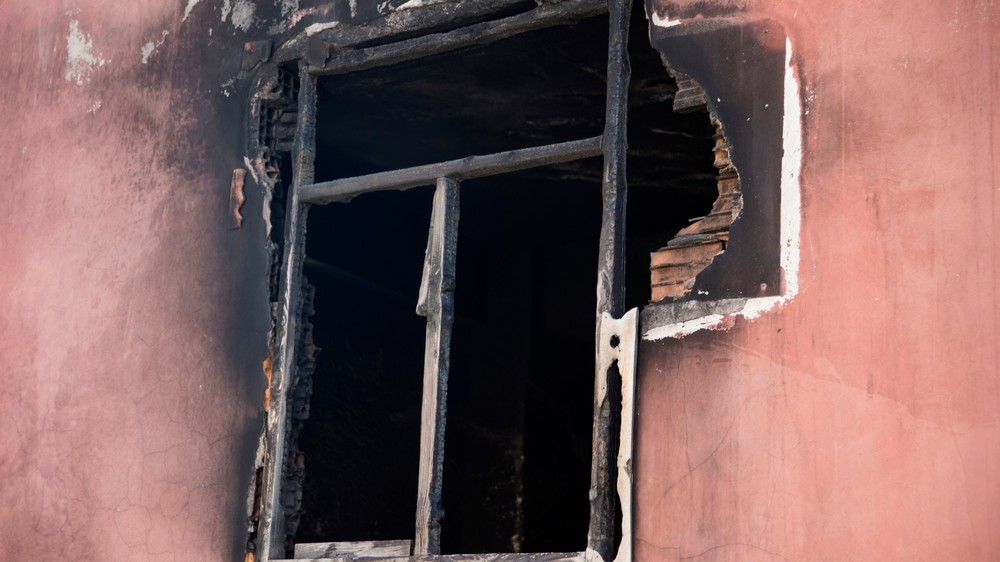
Smoke damage is deceptive. It might look like a simple layer of dark dust, but soot is actually highly acidic. If left untreated, it will rapidly tarnish metal fixtures, etch glass, and permanently discolor paint and fabrics. Furthermore, smoke odors do not simply fade away over time. The pores of your home’s building materials expand during the heat of a fire, trapping smoke particles inside. When the temperature cools, those pores close, locking the odor within the walls. On a warm day, the pores can expand again, releasing the smell of the fire months or even years later.
Handling this level of contamination requires specialized chemistry and advanced equipment. CBC Cleaning and Construction understands this complexity and uses appropriate measures to properly remove smoke damage odor. Standard air fresheners only mask smells temporarily, but professional teams utilize advanced techniques like thermal fogging and ozone treatments. These methods penetrate the walls and neutralize the odor-causing molecules at their source.
Because the restoration industry is constantly evolving, relying on a knowledgeable team is crucial. Our staff participates in continuing education classes in our industry so that we are always on the cutting edge of technology. This dedication ensures that your home is treated with the safest, most effective methods available, entirely removing the health hazards left behind by the fire.
Restoring Your Home and Health
Recovering from a fire is a heavy burden, but you do not have to carry it alone. By recognizing the severe health risks associated with smoke exposure, you can make informed decisions that protect your family’s respiratory health. Avoid the temptation to tackle soot removal with household supplies, and lean on the expertise of trained professionals who can safely restore your indoor air quality. If your property has recently suffered fire damage, prioritize your health by reaching out to a certified restoration team today.