
Spring is a season of duality. On one hand, we welcome the warmer temperatures, the longer days, and the return of greenery. On the other, the combination of melting snow and heavy seasonal rains creates the perfect recipe for water damage and costly property issues. For homeowners, the spring thaw isn’t just a sign of changing seasons; it is a signal to fortify defenses against water intrusion.
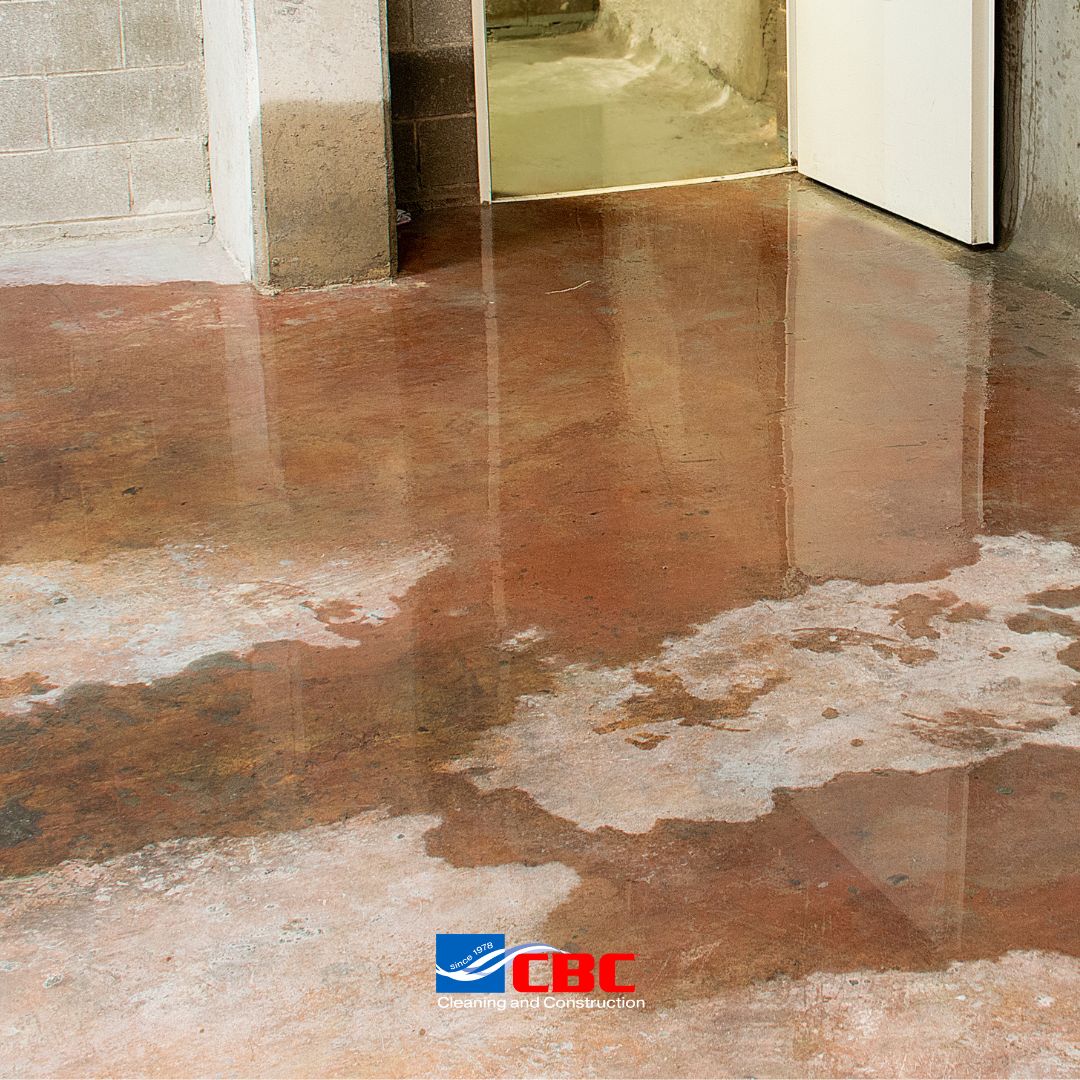
Water damage is one of the most common and costly insurance claims homeowners face. A few inches of water in a basement can destroy flooring, ruin furniture, and lead to hazardous mold growth in as little as 24 hours. While you cannot control the weather, you can control how your property responds to it. Taking proactive steps now can save you thousands of dollars and significant stress later in the season.
Here is how you can prepare your home for the spring flood season and protect your investment.
1. Inspect and Clear Your Gutters
During winter, gutters often fill up with pine needles, leaves, and twigs. When the spring rains arrive, clogged gutters cannot channel water away from your roof and foundation effectively. Instead, the water overflows, cascading directly down the side of your house and pooling around the foundation.
Grab a ladder and inspect your gutters. Remove any debris and run a hose through them to ensure water flows freely through the downspouts. Ideally, your downspouts should extend at least five to ten feet away from your home’s foundation. If yours are too short, consider adding extensions or splash blocks to direct the water toward the street or a drainage area rather than your basement walls.
2. Test Your Sump Pump
If you have a basement, your sump pump is likely your primary defense against flooding. Unfortunately, many homeowners only discover their pump is broken when they step into a puddle of water.
Don’t wait for the first storm to find out if it works. Test it now by slowly pouring a bucket of water into the sump pit. The pump should turn on automatically, discharge the water quickly, and shut off.
Spring storms often bring power outages. If your electricity goes out, your standard sump pump stops working right when you need it most. Investing in a battery backup system or a water-powered backup pump ensures your basement stays dry even if the grid goes down.
3. Check Your Foundation for Cracks
Over time, houses settle. The freezing and thawing cycles of winter can exacerbate small hairline cracks in your foundation walls and floors. Water is an opportunist; it will find these weak points and seep into your home.
Walk around the exterior perimeter of your house. Look for any visible cracks in the concrete or masonry. Small cracks can often be sealed with a high-quality masonry caulk or hydraulic cement. For larger cracks or signs of structural shifting, it is wise to consult a professional.
This concept of sealing extends to the interior as well. Keeping moisture out of porous surfaces is key to maintaining a healthy home environment. This is particularly true for areas like bathrooms and entryways that see high moisture levels during wet spring months.
4. Adjust Your Landscaping
Your yard should help, not hinder, your flood prevention efforts. The ground around your foundation should slope away from the house, dropping at least six inches over the first ten feet. This grade encourages water to flow away from your foundation rather than pooling against it.
If you notice areas where the ground has settled near the house, add topsoil to correct the grade. Additionally, keep mulch at least six inches away from your siding. Wet mulch against the house can rot the siding and invite pests, creating new entry points for moisture.
5. Review Your Insurance Policy
Many homeowners assume their standard home insurance policy covers flood damage. This is a common and dangerous misconception. Standard policies usually cover sudden water damage, like a burst pipe, but they rarely cover flood damage caused by rising natural water sources or heavy rain runoff.
Review your policy documents or call your agent to understand exactly what is covered. If you live in an area prone to spring flooding, purchasing a separate flood insurance policy is often the only way to ensure you are financially protected.
6. Elevate Utilities and Valuables
If you use your basement for storage or utilities, take precautions to minimize damage if water does get in. Furnaces, water heaters, and washers/dryers should be elevated on concrete blocks or reinforced platforms.
Go through your stored items. Cardboard boxes sitting directly on a concrete floor act like sponges. Switch to plastic storage bins with tight-fitting lids and store them on shelving units. Keep sentimental items, important documents, and expensive electronics on upper floors whenever possible.
When Water Damage or Wear Occurs: Restoration is Key
Sometimes, despite our best efforts, moisture takes a toll. This might manifest as a flooded basement, or simply the wear and tear that comes from a muddy, wet spring season. Mud gets tracked in, humidity rises, and surfaces like stone and tile can start to look dull or accumulate buildup that regular cleaning can’t remove.
Specifically, the high humidity of spring can accelerate calcium buildup and grime in wet areas like your bathroom showers and stone floors. If your surfaces are looking worse for wear after a long winter, professional restoration is often more effective than replacement.
At CBC Cleaning and Construction, our Restorative Cleaning service offers a complete solution for transforming your home into a pristine, refreshed space. From eco-friendly deep cleaning and calcium buildup removal to stone polishing and silicone sealing, we ensure long-lasting results without harsh chemicals.
You don’t need to renovate to get that “new home” feel. Whether you are recovering from a leak or just want to erase the effects of winter, trust our team to revitalize your shower and stone surfaces with expert care, leaving them sparkling clean, hygienic, and beautifully restored.
Stay Dry This Spring
Spring is a time for renewal, not for dealing with the headache of water damage. By taking the time to inspect your gutters, test your equipment, and grade your landscape, you build a fortress against the unpredictable spring weather.
However, if you find that your home’s surfaces need a refresh after the harsh winter months, or if you need expert sealing to protect your stone and tile from future moisture issues, we are here to help.
Ready to restore the beauty of your home? Contact CBC Cleaning and Construction today to schedule your Restorative Cleaning service.