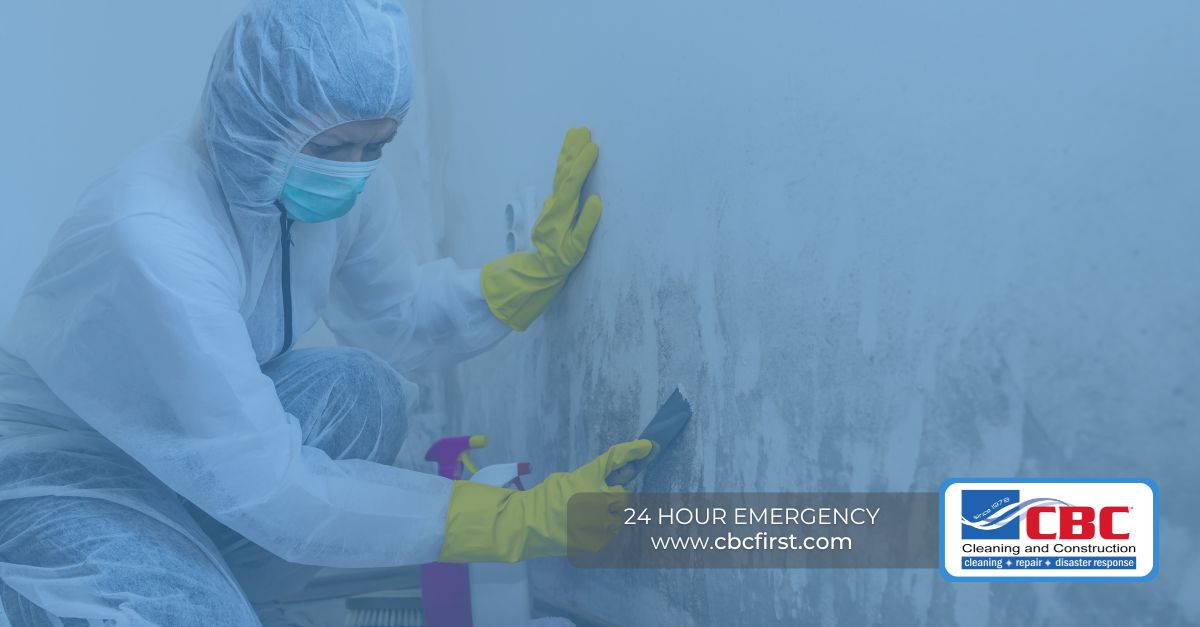
Discovering mold growth, water damage, or fire damage in your home can be overwhelming. Your immediate response in these critical first hours and days will determine not only the extent of additional damage but also your safety and the success of your insurance claim. Professional damage restoration now can guide you through the right steps to save thousands of dollars and weeks of stress.
This guide walks you through the essential actions you need to take immediately after discovering damage to your property. From emergency safety measures to documentation strategies that protect your insurance claim, professional damage restoration now ensures you know exactly what to do to handle these emergencies effectively.
Take Immediate Action: Contact Professional Damage Restoration Help
Call CBC immediately at the first sign of damage. Since 1978, CBC has provided emergency cleaning and construction services, and as certified restorers through the ASCR (Association of Specialists in Cleaning and Restoration), we understand that every minute counts in damage situations.
Professional assessment is crucial because:
- Hidden damage spreads quickly: Water can seep into walls, under flooring, and into structural elements where you can’t see it
- Mold growth accelerates: Mold can begin growing within 24-48 hours in the right conditions
- Fire damage compounds: Smoke and soot continue to cause damage even after flames are extinguished
- Safety hazards may not be obvious: Electrical issues, structural weakness, or toxic air quality require professional evaluation
CBC holds General Contractors license (#1080028) in general building, flooring and floor covering, and home improvement, which means we can both assess the full scope of damage and begin restoration work immediately.
Why Speed Matters: The Cost of Delayed Professional Damage Restoration
Emergency situations in your home don’t pause or improve on their own. Each type of damage follows a predictable timeline that works against you:
Water Damage Timeline:
- 0-24 hours: Water spreads and begins soaking into materials
- 24-48 hours: Mold and bacteria growth begins
- 48 hours-1 week: Serious mold growth and structural damage
- 1+ weeks: Potential for extensive structural damage and health hazards
Fire Damage Progression:
- Immediate: Smoke and soot particles continue to spread and settle
- Hours: Acidic soot begins etching and permanently staining surfaces
- Days: Odors become more embedded and difficult to remove
Mold Growth Acceleration:
- Existing mold releases more spores when disturbed
- Moisture from any source feeds rapid expansion
- Health effects worsen with continued exposure
Early intervention prevents a manageable situation from becoming a catastrophic one. Professional emergency services can halt damage progression and begin the restoration process while the situation is still controllable.
Document Everything: Protecting Your Insurance Claim
Before restoration begins, thorough documentation becomes your financial safety net. Insurance companies require detailed proof of damage, and the quality of your documentation directly impacts claim approval and payout amounts.
Safe Documentation Practices
Only document if it’s safe to do so. Never enter areas with:
- Structural damage or instability
- Electrical hazards or standing water near outlets
- Heavy smoke or poor air quality
- Gas leaks or chemical odors
What to Photograph and Record
Overall damage assessment:
- Wide shots showing the extent of affected areas
- Close-ups of specific damage to materials and belongings
- Before and after shots if you have recent photos for comparison
Detailed item documentation:
- Serial numbers and model numbers of damaged electronics and appliances
- Brand names and purchase information for furniture and personal items
- Any receipts or documentation of item value you can safely access
Environmental conditions:
- Water levels or standing water
- Visible mold growth locations and extent
- Smoke damage patterns and affected areas
Additional Documentation Steps
Create written records of the discovery timeline, including:
- When you first noticed the problem
- Weather conditions (for water damage)
- What actions you took immediately
- Any emergency services contacted
Keep all receipts for emergency expenses like:
- Temporary housing costs
- Emergency supplies or equipment rental
- Food spoilage replacement
- Professional service calls
This documentation serves multiple purposes: it speeds up the insurance process, ensures accurate restoration planning, and protects you if disputes arise about the extent or cause of damage.
Understanding Professional Emergency Services
Professional restoration companies provide coordinated emergency response that addresses both immediate safety concerns and long-term restoration needs. Here’s what comprehensive emergency services include:
Immediate Stabilization
- Water extraction and structural drying
- Emergency board-up and tarping services
- Smoke and soot removal to prevent further damage
- Mold containment and air filtration
Assessment and Planning
- Moisture mapping and monitoring
- Structural integrity evaluation
- Air quality testing
- Restoration timeline and scope development
Insurance Coordination
- Direct insurance company communication
- Detailed damage assessment reports
- Progress documentation throughout restoration
- Support during claim negotiations
Working with certified professionals like CBC ensures that emergency response follows industry standards and insurance requirements, protecting both your property and your claim.
Frequently Asked Questions About Professional Damage Restoration
How quickly should I call for professional help after discovering damage?
Contact professional services immediately—within the first few hours if possible. For water damage, the 24-48 hour window is critical for preventing mold growth. Fire and smoke damage also continue to worsen over time, so quick response minimizes restoration costs.
What should I do while waiting for professional help to arrive?
Safety first: don’t enter unsafe areas. If it is safe to do so, you can take photos, turn off water sources (for water damage), and ventilate areas (for smoke damage). Avoid using household fans for water damage as they can spread mold spores.
Will my insurance cover emergency restoration services?
Most homeowner’s insurance policies cover sudden and accidental damage like burst pipes, fires, and storm damage. Mold coverage varies by policy, but mold resulting from covered incidents is typically covered. Professional restoration companies can work directly with your insurance company.
Can I clean up water, fire, or mold damage myself?
Small, surface-level incidents might be manageable as DIY projects, but significant damage requires professional equipment and expertise. Improper cleanup can make damage worse, void insurance coverage, or create health hazards.
How do I choose a qualified restoration company?
Look for certifications from organizations like ASCR, proper licensing for construction work, and companies that offer 24/7 emergency response. Companies that can handle both emergency response and full restoration provide better continuity of care.
Take Action Now with Professional Damage Restoration Experts
Emergency damage situations demand immediate, professional response. Whether you’re facing water intrusion, fire damage, or mold growth, the steps you take in the first hours determine the outcome for your property and your finances.
Don’t wait to see if the situation improves or attempt complex cleanup on your own. Contact CBC’s emergency services immediately for professional assessment and rapid response that stops damage progression and begins effective restoration.
Remember: comprehensive documentation protects your insurance claim, but your safety comes first. When in doubt, evacuate and call professionals who have the equipment and expertise to handle hazardous situations safely.