

You scrub your tiles regularly. You wipe up spills right away. Yet somehow, the grout still looks darker, dingier, or just… off. It’s one of the more frustrating home maintenance mysteries, and it happens to plenty of homeowners who keep a spotless house. Grout discoloration isn’t always a sign of neglect. There are several reasons why grout shifts in color over time, and understanding them can help you figure out whether this is a surface-level fix or something that needs professional attention.
What Is Grout Actually Made Of—and Why Does That Matter?
Before getting into why grout changes color, it helps to know what grout is working with structurally.
Most residential grout is cement-based. It’s porous by nature, which means it absorbs liquids, minerals, and particles far more readily than the tile it surrounds. Epoxy grout is denser and more resistant, but it’s less common in standard home installations.
That porosity is the root of most discoloration problems. Even when a surface looks clean, the grout lines are quietly absorbing whatever passes through them—water, soap residue, cleaning product buildup, and airborne particles that settle over time.
The Most Common Reasons Grout Changes Color
Hard Water Mineral Deposits
Hard water contains elevated levels of calcium and magnesium. When water evaporates—whether from splashing in a shower, mopping a floor, or general humidity—those minerals don’t disappear with it. They stay behind and accumulate in the grout.
Over time, this creates a chalky, white, or yellowish film. In kitchens and bathrooms with hard water, this can happen even when surfaces are cleaned weekly. The deposits build up in the pores of the grout where regular wiping simply can’t reach.
Soap Scum and Cleaning Product Residue
This one surprises people. The very products used to clean tile can contribute to grout discoloration. Soap scum—a combination of soap, body oils, and minerals—clings to grout lines in showers and around sinks. Over time, it creates a filmy gray or orange-tinted buildup.
Some cleaning products also leave behind residue, particularly those that aren’t fully rinsed. Using too much product or not rinsing thoroughly enough means a thin layer remains after every clean, and that accumulates into visible discoloration.
Mold and Mildew Growth
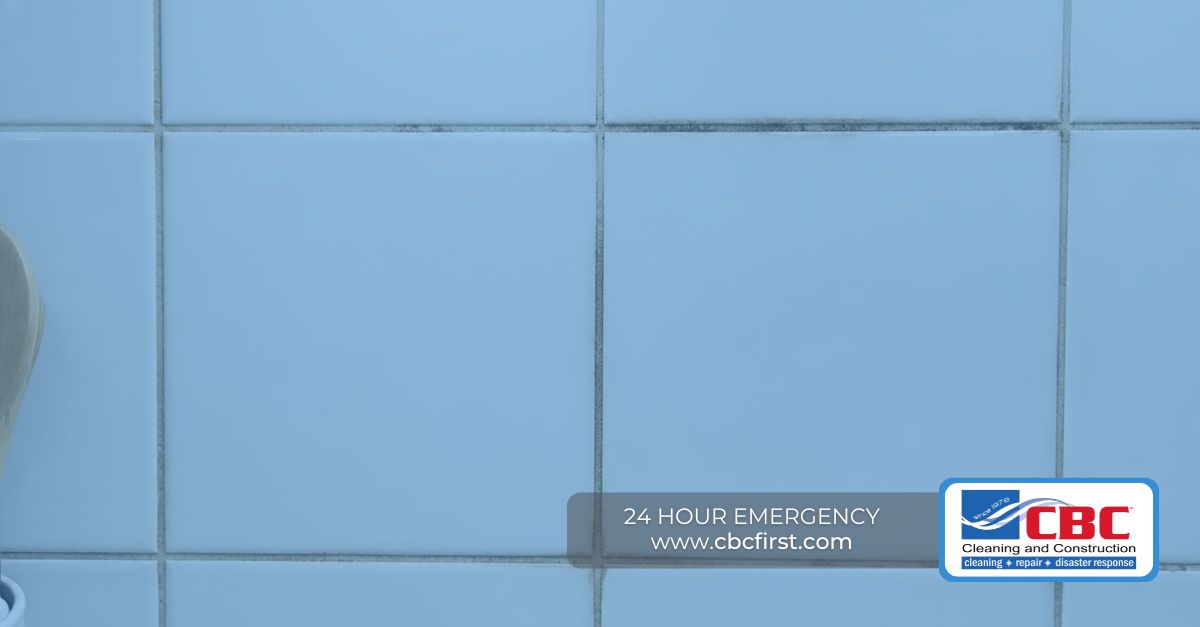
Mold and mildew are the most well-known causes of grout discoloration, and they can develop even in homes that are cleaned regularly. Both thrive in moist, warm environments—exactly the conditions found in bathrooms, around laundry areas, and in kitchens near sinks.
Black or dark green spots in grout lines are usually mold. Pink or orange tones often indicate mildew or a bacteria called Serratia marcescens, which is common in shower environments. These organisms grow inside the grout, not just on the surface, which is why scrubbing alone often doesn’t fully remove them.
Improper Sealing—or No Sealing at All
Grout should be sealed after installation and periodically re-sealed over time. When it isn’t, the porous surface is left completely exposed to moisture and staining agents.
Unsealed grout absorbs spills, foot traffic oils, cleaning products, and airborne grease almost immediately. Even in a well-maintained home, grout that was never properly sealed will start to look discolored within months. In kitchens, this process is often accelerated by cooking residue and oils that settle on flooring over time.
Aging and Natural Wear
Grout doesn’t last forever in its original state. Years of foot traffic, repeated wetting and drying, and exposure to UV light (particularly near windows or in sunlit rooms) gradually break down the surface and alter its color. This kind of aging often produces an uneven, patchy appearance—some sections remain close to the original tone while others fade or darken noticeably.
In older homes, grout may also have been applied with different standards or formulations that simply don’t hold up as well under modern conditions.
Dye Transfer From Mats, Rugs, and Cleaning Tools
This is an underappreciated cause of grout discoloration. Colored bath mats, rubber-backed rugs, and even certain mop heads can leach dye onto grout—especially when wet. Dark or vibrant mat colors are the most likely offenders, and the transfer can be subtle enough that it takes weeks to become obvious.
The result is often a stain that runs consistently along the edge where the mat sat, which helps identify the source once you know what to look for.
Can You Fix Grout Discoloration Yourself?
Minor surface discoloration from soap scum or light mineral deposits can often be improved with a stiff brush, a pH-neutral cleaner, and some patience. Steam cleaning is also effective for lifting buildup from porous grout without harsh chemicals.
For mold that’s penetrated deep into the grout, DIY options typically produce short-term results. The mold returns because the surface-level treatment doesn’t address what’s established inside the grout structure.
Re-sealing is something homeowners can do themselves with the right product, but preparation matters—grout needs to be completely clean and dry before sealing, or the sealant locks in the problem rather than protecting against it.
When Grout Damage Goes Beyond Discoloration
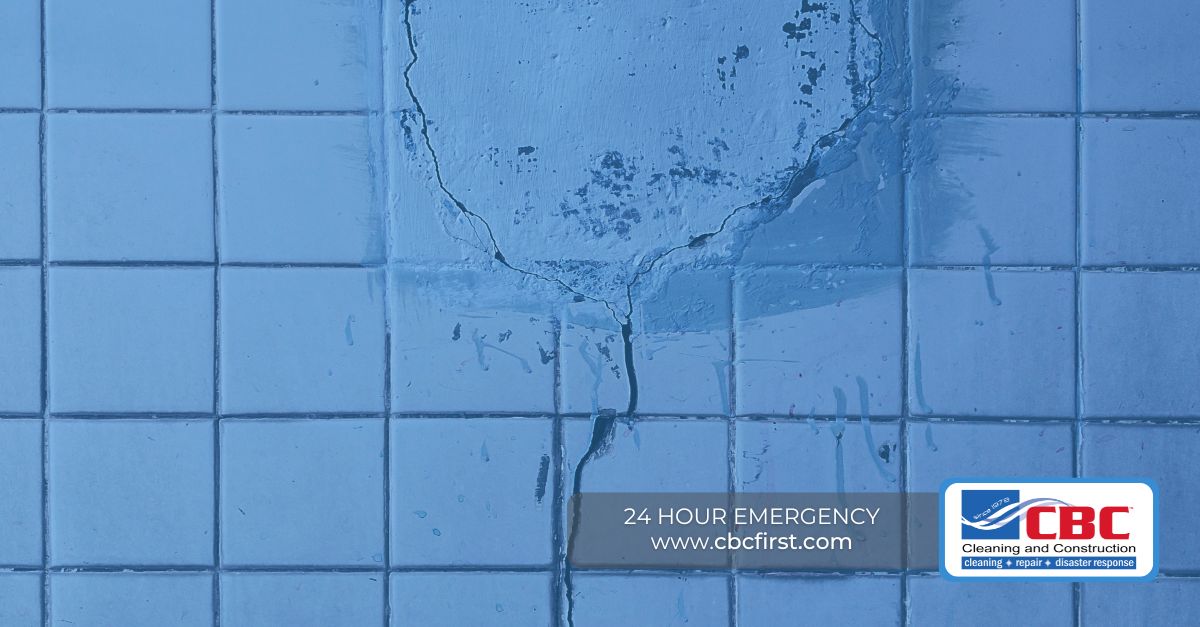
Sometimes what looks like a color issue is actually a sign of structural deterioration. Crumbling grout, cracks, or sections that have become soft or hollow indicate that the grout has broken down and needs to be replaced rather than cleaned.
Cracked tiles and old or dried-out grout are a different challenge entirely—but not an insurmountable one. The skilled and certified technicians at CBC specialize in tile and grout replacement, as well as removal and application of new grout, all without pulling up your entire floor. That means you can have fresh, properly installed grout without the disruption and expense of a full renovation.
How to Keep Grout Looking Its Best Going Forward
Once grout has been cleaned or replaced, a few habits can significantly slow down future discoloration:
- Seal regularly. Most grout sealants need to be reapplied every one to two years, depending on the traffic level and location.
- Ventilate wet areas. Run exhaust fans during and after showers to reduce moisture. Dry bathroom floors after mopping rather than letting them air-dry slowly.
- Rinse thoroughly. After cleaning tiled surfaces, rinse with clean water to remove product residue rather than letting it sit.
- Use pH-neutral cleaners. Highly acidic or alkaline products can degrade grout over time and accelerate discoloration.
- Check mats and rugs. Opt for colorfast, non-rubber-backed options in areas where dye transfer is a risk.
The Right Fix Depends on the Right Diagnosis
Grout discoloration has more causes than most people realize, and the right fix depends on identifying the correct one. Mineral buildup, mold, aging, and dye transfer all look different up close—and they all need different solutions.
If your grout has reached the point where cleaning isn’t cutting it, or if cracks and tile damage are part of the picture, professional replacement is a practical and far less invasive option than you might expect. CBC’s certified technicians can assess the condition of your grout and tiles and handle the work with precision—leaving your floors and walls looking clean, even, and properly protected.