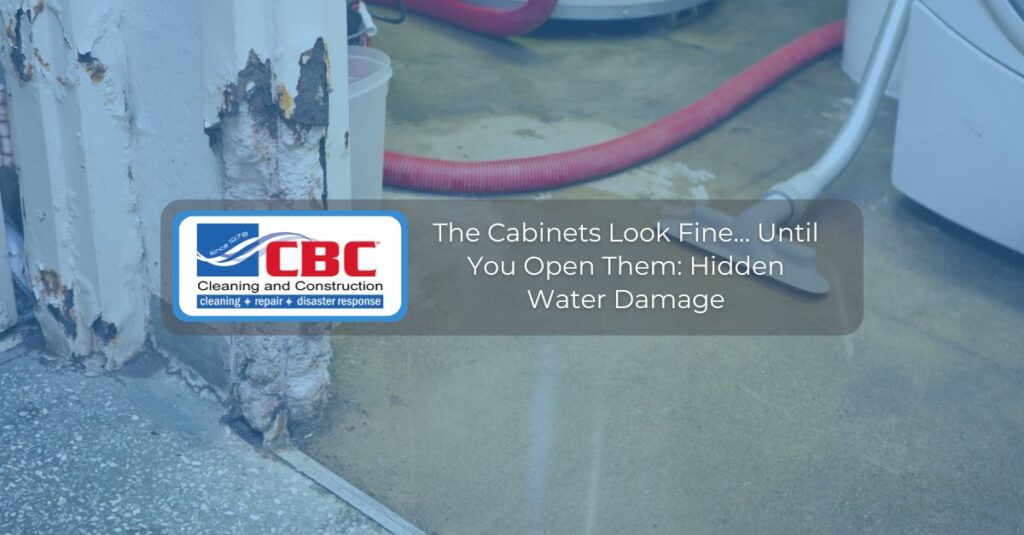
A water leak in your kitchen doesn’t always leave an obvious mess. Sometimes the floor dries, the countertops look spotless, and life seems to go back to normal. But behind those cabinet doors, a different story may be unfolding—one you won’t notice until the water damage has already taken hold.
Cabinets are some of the most vulnerable surfaces in your home when water strikes. They’re made from materials that absorb moisture quickly, and their enclosed design traps dampness where you can’t see it. Left unchecked, that hidden moisture can lead to swelling, warping, and even mold growth that affects your home and your health.
This post will walk you through why cabinets hide water damage so well, the early warning signs to watch for, and what you can do before a small problem turns into an expensive one.
Why Cabinets Hide Water Damage So Well
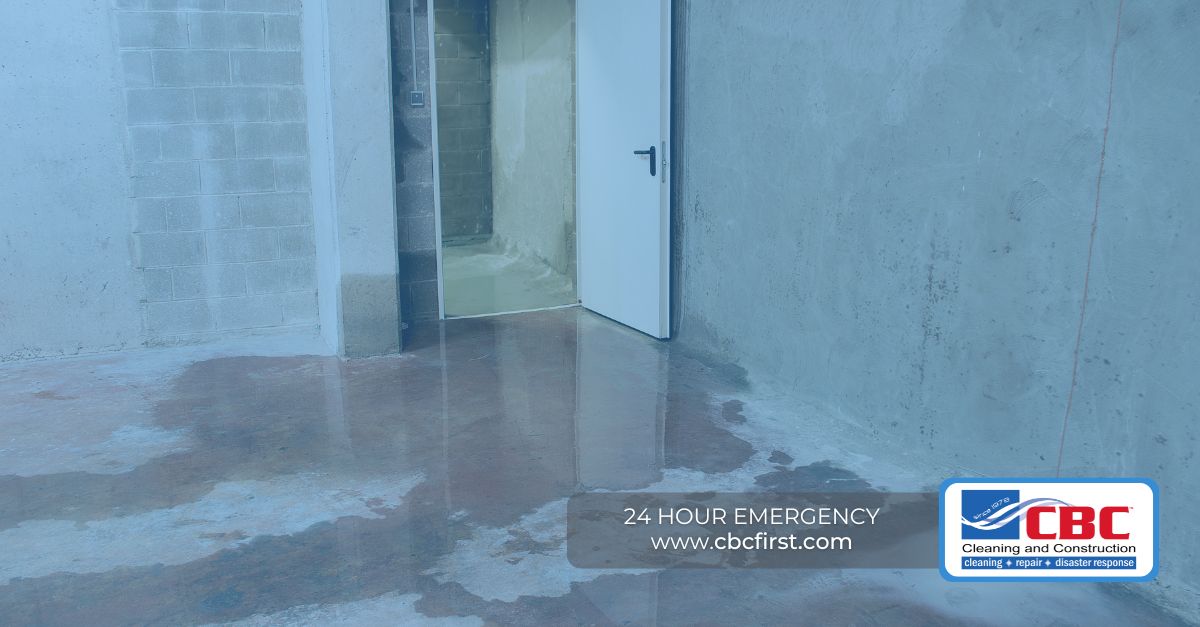
Most kitchen and bathroom cabinets are built from materials like particleboard, MDF (medium-density fiberboard), or plywood. These materials are affordable and look great on the surface, but they soak up water like a sponge. Once moisture gets in, it doesn’t evaporate easily—especially when it’s sealed inside a closed cabinet.
The problem is hidden by design. The outer finish of your cabinets is meant to repel water and resist stains. So while the visible surfaces stay intact, the unfinished interior edges and the back panels quietly absorb whatever moisture they’re exposed to. A slow leak under the sink, a dishwasher that drips, or condensation from a pipe can all feed water into spaces you rarely inspect.
By the time the damage shows on the outside, it has usually been developing for weeks or even months.
Where Hidden Moisture Comes From
Cabinet water damage doesn’t always come from a dramatic flood. More often, it’s the result of small, ongoing issues that go unnoticed. Common sources include:
- Leaky plumbing under the sink, where slow drips collect on the cabinet floor
- Dishwasher and refrigerator lines that develop small leaks over time
- Condensation from pipes or appliances in humid kitchens
- Spills and overflows that seep into seams and edges
- Burst pipes or appliance failures that send water rushing into enclosed spaces
Because these areas are tucked away, water can pool and soak in long before anyone opens the cabinet to take a look.
Early Signs of Hidden Cabinet Damage
The good news is that your cabinets will give you clues—if you know what to look for. Catching these signs early can save you from a much bigger repair down the road. Here’s what to watch for the next time you open your cabinet doors.
Swelling and Bubbling
One of the first signs of trapped moisture is swelling. Particleboard and MDF expand when they absorb water, so you might notice the cabinet floor or shelves looking puffy or uneven. The finish may bubble or peel away from the surface, a clear signal that water has worked its way in.
Warping and Bowing
When wood-based materials get wet and then dry, they often don’t return to their original shape. Doors that no longer close properly, shelves that sag in the middle, or panels that bow outward are all telltale signs of moisture damage. If your cabinet doors suddenly feel misaligned, water could be the culprit.
Discoloration and Stains
Dark spots, water rings, or yellowish stains on the interior surfaces point to moisture exposure. These marks often appear on the cabinet floor or back panel, where water tends to collect. Discoloration is your cabinet’s way of telling you that something isn’t right.
Musty Odors
Your nose can detect problems before your eyes do. A persistent musty or damp smell coming from inside a cabinet is one of the strongest indicators of mold or mildew growth. If you open a cabinet and notice an earthy, stale odor, don’t ignore it.
Visible Mold
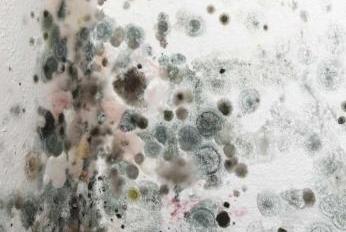
In more advanced cases, you may actually see mold—often appearing as black, green, or white spots on the interior surfaces. Mold thrives in dark, damp, enclosed spaces, which makes the inside of a cabinet an ideal breeding ground. Visible mold means the moisture problem has been present for a while and needs immediate attention.
Why Hidden Cabinet Damage Is a Bigger Deal Than It Looks
It’s tempting to shrug off a little swelling or a faint smell, but hidden cabinet damage rarely stays contained. Moisture that’s trapped in one area tends to spread, affecting nearby cabinets, walls, and flooring. What starts as a minor issue under the sink can eventually compromise your kitchen’s structure.
There’s also a health angle to consider. Mold growing inside your cabinets releases spores into the air, which can trigger allergies, respiratory issues, and other health concerns—especially for children and anyone with sensitivities. Because kitchen cabinets are so close to where you prepare food, mold in these spaces is particularly worth taking seriously.
And the longer the problem lingers, the more it costs to fix. Early intervention often means a simple repair, while neglected damage can require full cabinet replacement and remediation work.
What to Do If You Spot the Signs
If you notice swelling, warping, stains, or musty odors inside your cabinets, the first step is to find and stop the source of the moisture. Check for active leaks under sinks and around appliances. Then dry the area thoroughly and clear out anything stored inside.
But surface drying alone often isn’t enough. Moisture can linger deep within cabinet materials and behind walls, where it continues to cause damage and feed mold growth. This is where professional help makes a real difference. A qualified technician can evaluate your home for lingering water or mold issues—the kind that are so common in kitchen cabinets—and address problems you can’t see on your own.
You also don’t have to assume that water damage means buying all-new cabinetry. CBC can repair your cabinets and match existing finishes to restore them to a like-new condition, sparing you the high cost of full replacement. It’s a smarter, more affordable way to bring your kitchen back to life.
Don’t Wait Until the Damage Spreads
Cabinets that look perfect on the outside can hide a world of trouble within. By learning to recognize the early signs of water damage—swelling, warping, discoloration, musty smells, and visible mold—you give yourself the chance to act before a small leak becomes a major expense.
If you suspect hidden moisture in your cabinets, don’t wait it out. Reach out to CBC for a professional evaluation. Our team can assess any lingering water or mold concerns, repair your existing cabinets, and match the finishes so your kitchen looks as good as new. Protecting your home starts with knowing what’s behind closed doors.