
Grout does more than fill the spaces between your tiles. It works as a barrier that keeps moisture where it belongs—on the surface. When that barrier breaks down, the consequences can spread far beyond what you can see. The good news? Catching the problem early can save you from expensive repairs down the line.
In this post, we’ll explain exactly how damaged grout leads to water damage, what warning signs to watch for, and what you can do to protect your home before small issues become big ones.

Yes, Damaged Grout Can Absolutely Cause Water Damage
Let’s get straight to the answer: yes, damaged grout can cause water damage. Grout acts as a seal between tiles. When it cracks or deteriorates, water can seep underneath and damage subfloors, walls, or cabinetry—leading to costly repairs if ignored.
Think of grout as the first line of defense in any tiled area. Bathrooms, kitchens, laundry rooms, and entryways all rely on intact grout to keep water from sneaking below the surface. Once that seal fails, moisture has a direct path into the structural materials underneath your tiles.
How Does Damaged Grout Lead to Water Damage?
Water is persistent. It only needs the smallest opening to start causing trouble. When grout cracks, dries out, or crumbles away, it creates tiny channels for moisture to travel through.
Here’s what typically happens:
- Water seeps below the surface. Every time you shower, mop, or splash water near damaged grout, a little bit slips through the cracks.
- Moisture reaches the subfloor. Over time, that water soaks into the wood or backing material beneath your tiles, causing it to swell, warp, or rot.
- Damage spreads to surrounding areas. Walls, baseboards, and cabinetry near the affected area can absorb moisture too, weakening their structure.
- Mold and mildew develop. Damp, dark spaces beneath tiles create the perfect breeding ground for mold, which brings health concerns on top of structural problems.
The tricky part is that much of this damage stays hidden. By the time you notice loose tiles, musty smells, or discolored walls, the problem may have been growing for months.
What Are the Warning Signs of Damaged Grout?
Spotting trouble early is your best protection. Keep an eye out for these common red flags:
- Cracks or gaps in the grout lines between tiles
- Crumbling or missing grout that leaves visible spaces
- Discoloration or dark spots on grout or surrounding surfaces
- Loose or shifting tiles that move when you press on them
- Musty odors that linger even after cleaning
- Soft or spongy areas on the floor underfoot
If you notice any of these signs, it’s worth taking action sooner rather than later. Grout problems rarely fix themselves—they only get worse with time and continued water exposure.
Why Does Grout Deteriorate in the First Place?
Grout doesn’t last forever. Several factors can speed up its breakdown:
- Age. Older grout naturally dries out and becomes brittle over the years.
- Heavy use. High-traffic areas and frequently wet spaces put extra strain on grout.
- Poor installation. Grout that wasn’t mixed or applied correctly can fail prematurely.
- Harsh cleaning products. Acidic or abrasive cleaners can erode grout over time.
- Lack of sealing. Unsealed grout absorbs water more easily, leading to faster wear.
Understanding what causes grout to fail can help you take better care of your tiles and extend the life of your floors and walls.
How Can You Fix Damaged Grout?
The thought of repairing damaged grout often comes with dread—visions of torn-up floors and weeks of disruption. The reality is much simpler than most homeowners expect.
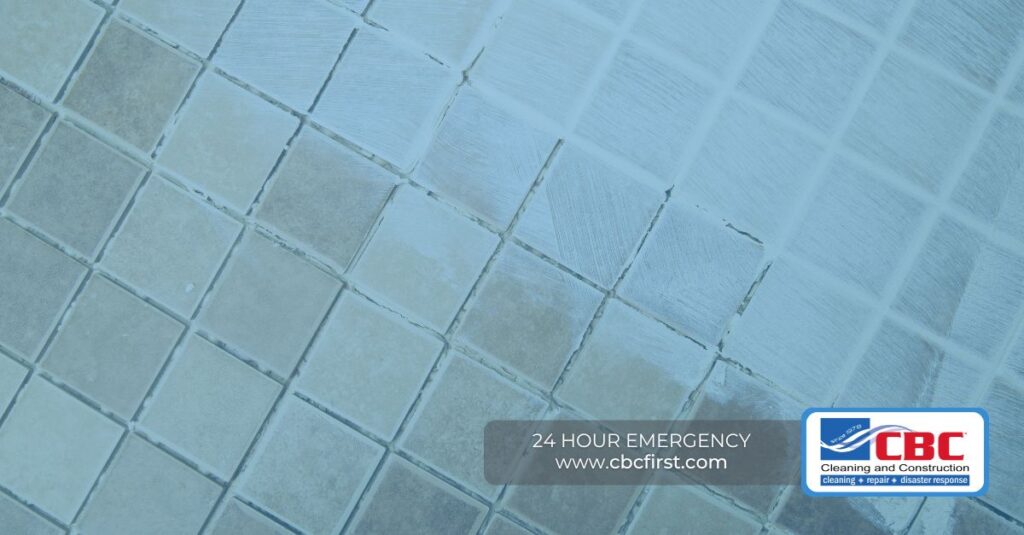
Cracked, broken tiles and old or dried out grout are no match for CBC and our skilled, certified technicians. We handle tile and grout replacement, as well as the removal and application of new grout, without pulling up your entire floor. That means less mess, less downtime, and a faster return to a clean, protected space.
Addressing grout problems early keeps small repairs small. Wait too long, and you could be looking at subfloor replacement, mold remediation, or cabinetry repairs—jobs that cost far more than a timely grout fix.
Protect Your Home Before the Damage Spreads
Damaged grout is more than a cosmetic issue. It’s a genuine threat to the structure and value of your home. Cracked or deteriorating grout opens the door to water damage that can quietly destroy subfloors, walls, and cabinetry over time.
The smartest move is to act early. Inspect your tiled areas regularly, watch for the warning signs, and don’t ignore those small cracks. If you spot trouble—or simply want peace of mind—reach out to CBC. Our certified technicians can restore your grout and protect your home from costly water damage, all without the headache of a full floor replacement.
Frequently Asked Questions
Can a small grout crack really cause major damage?
Yes. Even a tiny crack gives water a path to reach the materials beneath your tiles. Over time, repeated moisture exposure can lead to rotted subfloors, mold growth, and structural damage—all from a crack that looked harmless at first.
How often should I check my grout?
A quick visual inspection every few months is a good habit, especially in bathrooms, kitchens, and other wet areas. Look for cracks, discoloration, and any tiles that feel loose or shift when pressed.
Do I need to replace all my tiles to fix damaged grout?
No. In many cases, grout can be removed and reapplied without disturbing your tiles. CBC’s certified technicians can replace tile and grout or apply new grout without pulling up your entire floor.
How do I prevent grout from deteriorating?
Seal your grout regularly, avoid harsh or abrasive cleaners, and clean up standing water promptly. Routine maintenance goes a long way toward keeping your grout intact and your home protected.