
Summer brings long days, backyard cookouts, and soaring temperatures. It also brings something far less welcome: a dramatic spike in the conditions that lead to house fires and smoke damage. From overworked electrical systems to dry vegetation that ignites in seconds, the heat of summer quietly stacks the odds against your home.
Understanding why summer is such a high-risk season—and what you can do about it—could be the difference between a close call and a catastrophic loss. This post breaks down the key fire risks that come with the summer months, explains how smoke damage works, and walks you through what to do if the worst happens.
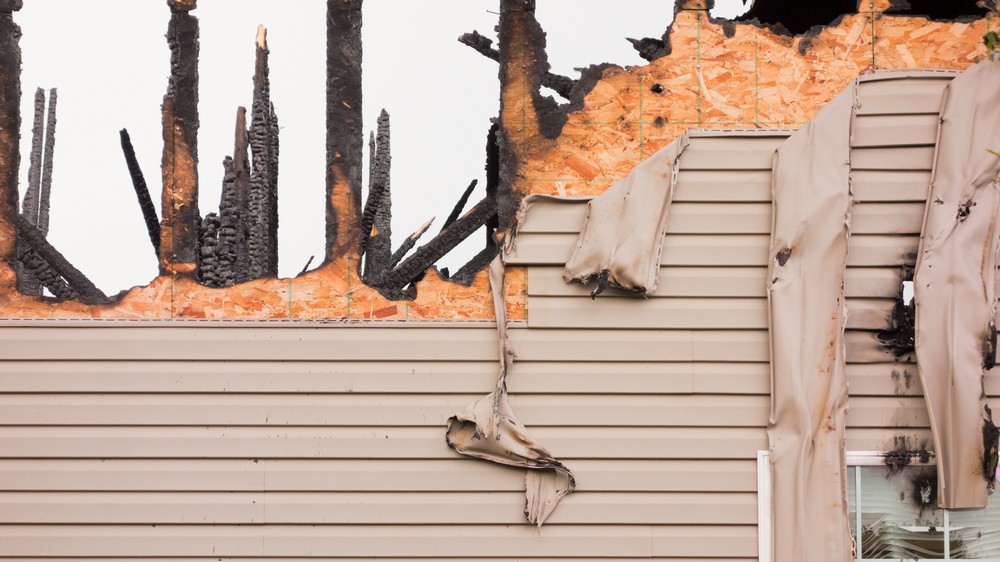
Why Does Summer Heat Raise the Risk of House Fires?
Heat doesn’t just make you uncomfortable—it destabilizes the systems and materials inside and around your home. Several factors converge during summer to create ideal conditions for fires to start and spread.
How Do High Temperatures Affect Electrical Systems?
Air conditioners, fans, refrigerators, and freezers all work overtime when temperatures climb. That added load puts strain on wiring, outlets, and circuit breakers that may already be aging. When electrical components overheat, they can arc, spark, or short-circuit—each of which is a potential ignition source.
Older homes are particularly vulnerable. Wiring systems that were installed decades ago weren’t designed to handle the demands of modern cooling equipment. If your home frequently trips breakers during summer, that’s a warning sign worth taking seriously.
Why Is Dry Vegetation Such a Significant Fire Hazard in Summer?
Weeks without rain, combined with intense heat, turn grass, shrubs, and trees into tinder. A stray spark from a lawnmower blade hitting a rock, an improperly extinguished cigarette, or embers drifting from a neighbor’s fire pit can ignite dry landscaping within seconds.
Once vegetation catches, fire can travel to a home’s exterior quickly—especially if dry plants are growing close to siding, fencing, or wooden decks. The National Fire Protection Association (NFPA) consistently identifies outdoor fires as a leading cause of residential fire damage during summer months.
What Role Do Outdoor Cooking and Fireworks Play in Summer Fire Risk?
Grilling is synonymous with summer, but a poorly maintained grill or one positioned too close to the house is a serious hazard. Grease buildup inside a grill can ignite unexpectedly, and propane connections that have degraded over winter may leak without any visible warning.
Fireworks present a similar problem. Even in states where certain consumer fireworks are legal, spent or misfired devices can land on rooftops, in gutters filled with dry debris, or on wooden decks. The Fourth of July consistently ranks as the single highest day for home fires in the United States, according to the NFPA.
What Happens to Your Home After a Fire? Understanding Smoke Damage
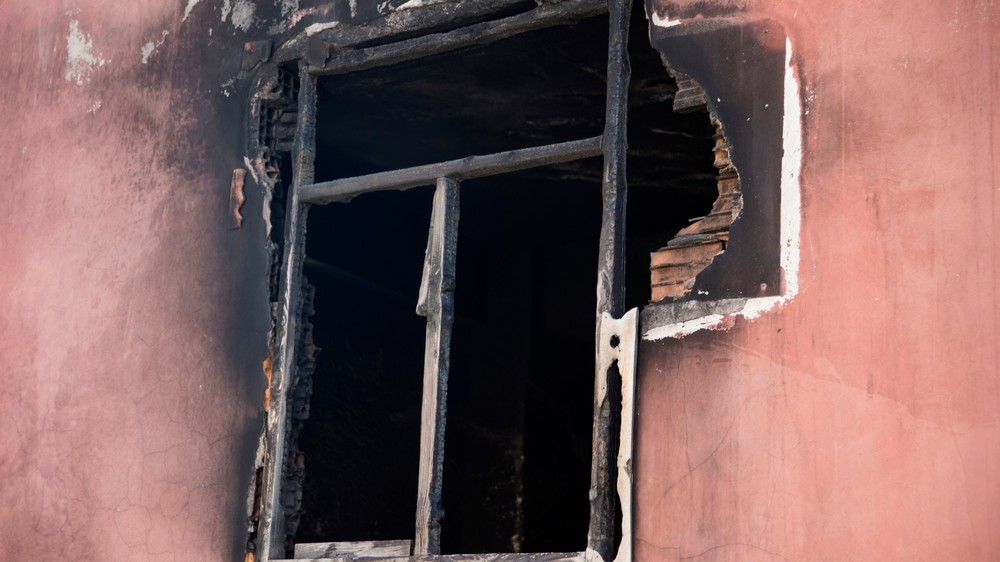
Even when a fire is contained quickly—before it consumes large portions of your home—smoke damage can be extensive and deceptively severe. Many homeowners underestimate how far smoke travels and how deeply it penetrates.
How Does Smoke Damage Spread Beyond the Fire Area?
Smoke moves through a home’s HVAC system, gaps in walls, and even through electrical outlets. Within minutes of a fire starting, smoke particles can reach rooms that were never touched by flames. These particles carry acidic compounds that begin corroding metal surfaces, discoloring walls and ceilings, and embedding themselves into fabrics, insulation, and wood.
The longer smoke residue sits, the more damage it causes. Soot is not simply “dirty”—it’s chemically active and continues breaking down surfaces over time.
Why Is Smoke Odor So Difficult to Remove?
Smoke odor is one of the most persistent challenges after fire damage because the particles responsible for the smell are microscopic. They settle into porous materials like drywall, carpet, upholstered furniture, and clothing. Standard cleaning methods—wiping down walls, running fans, lighting candles—don’t address the source of the problem.
Effective odor removal requires specialized equipment and techniques, including thermal fogging, ozone treatment, and hydroxyl generators. CBC Cleaning and Construction understands this complexity and uses appropriate measures to remove smoke damage odor. Their staff participates in continuing education classes in the industry so that they are always on the cutting edge of technology—an important distinction in a field where restoration methods continue to evolve.
How Can You Reduce Your Home’s Fire Risk During Summer?
Prevention is always more straightforward than recovery. A few deliberate habits during the summer months can significantly lower your exposure to fire and smoke damage.
Inspect your electrical system. Have a licensed electrician check your panel, outlets, and wiring if your home is more than 20 years old. Look for discolored outlets, flickering lights, or breakers that trip frequently.
Create a defensible space around your home. Keep grass trimmed and watered, remove dead vegetation, and maintain at least a 30-foot buffer between combustible landscaping and your home’s exterior. Clear gutters regularly, as dry leaves and debris create easy pathways for fire to reach your roof.
Maintain your grill. Clean out grease traps before each use, check propane hoses for cracks or loose fittings, and position your grill at least 10 feet from your home, fence, or any other structure.
Use fireworks responsibly—or skip them entirely. Attend professional displays rather than setting off consumer fireworks at home. If fireworks are legal in your area, always have a bucket of water or a hose nearby, and soak used fireworks before disposing of them.
Install and test smoke alarms. Smoke alarms should be tested monthly and replaced every 10 years. Place them on every level of your home, inside each bedroom, and outside sleeping areas.
What Should You Do If Your Home Suffers Fire or Smoke Damage?
Act quickly, but don’t rush into a damaged space before it’s been cleared as safe by emergency personnel. Once you have the go-ahead, document everything with photos before any cleanup begins. Contact your insurance provider to start the claims process and reach out to a professional restoration company as soon as possible.
Attempting to clean smoke damage without professional help often makes the problem worse. Scrubbing soot incorrectly can grind particles deeper into surfaces, making them harder to remove. Restoration professionals have access to industrial-grade equipment and proven methods that produce results DIY approaches simply can’t replicate.
Frequently Asked Questions
What makes summer the highest-risk season for house fires?
Summer combines dry vegetation, increased use of electrical systems, outdoor cooking, and fireworks—all of which are significant ignition sources. Heat also degrades materials and electrical components, raising the likelihood of accidental fires.
How quickly does smoke damage occur after a fire?
Smoke damage begins within minutes. Particles travel through HVAC systems and wall gaps almost immediately, and the acidic compounds in soot start corroding and discoloring surfaces very quickly. The longer smoke residue is left untreated, the more costly the restoration becomes.
Can I clean smoke damage myself?
Surface soot can be carefully removed with the right products, but deep-seated smoke odor and particles embedded in porous materials require professional equipment. Improper DIY cleaning can worsen the damage and make professional restoration more difficult.
How do I know if my home has hidden smoke damage?
Persistent odor, discoloration on walls or ceilings, and residue on surfaces in rooms away from the fire are common signs. A professional inspection will identify damage that isn’t immediately visible.
How long does smoke damage restoration take?
It depends on the severity and the size of the affected area. Minor smoke damage may be resolved within a few days, while more extensive damage can take several weeks. A restoration professional can provide a clearer timeline after an assessment.
Is smoke damage covered by homeowners insurance?
Most standard homeowners insurance policies cover smoke damage, including smoke damage that occurs without a full structural fire. Review your policy carefully and contact your insurer promptly after any incident.